From Foundation To Decoration: How To Arrange Multi-level Lighting?
By SmartGlow
March 14th, 2026
This article provides a detailed explanation of the four core levels of multi-level lighting (basic lighting, task lighting, key lighting, and decorative lighting), explaining the functions, adaptability, and practical usage techniques of each type of lighting. It teaches you how to easily create a home multi-level lighting space that combines practicality, atmosphere, and sophistication.
What is multi-level lighting?Multi level lighting is the mainstream modern spatial lighting design method. By arranging multiple light sources at different heights in the space, various types of lamps can perform their respective duties and meet different lighting needs. Compared to traditional lighting methods that rely solely on a single light source, multi-level lighting can create more harmonious light and shadow effects while balancing the functionality and aesthetics of the space. A complete multi-level lighting system typically consists of four core lighting levels:
| Lighting Level |
Definition |
Core Purpose |
Common Lighting Fixtures |
| General / Ambient Lighting |
Provides even, basic illumination across the entire space |
Creates a bright foundational light for overall visibility |
Ceiling lamps, recessed downlights, surface-mounted lights |
| Task Lighting |
Delivers focused, direct light for specific activities |
Supports daily tasks such as reading, working, cooking, and grooming |
Table lamps, track lights, vanity mirror lights, under-cabinet lights |
| Accent Lighting |
Highlights decorative objects, art, or architectural details |
Builds visual focal points and adds depth to the interior |
Spotlights, wall niche lights, wall washers |
| Decorative / Ambience Lighting |
Produces soft, warm light to shape mood and style |
Enhances comfort, atmosphere, and aesthetic design |
LED strip lights, chandeliers, decorative pendants, night lights |
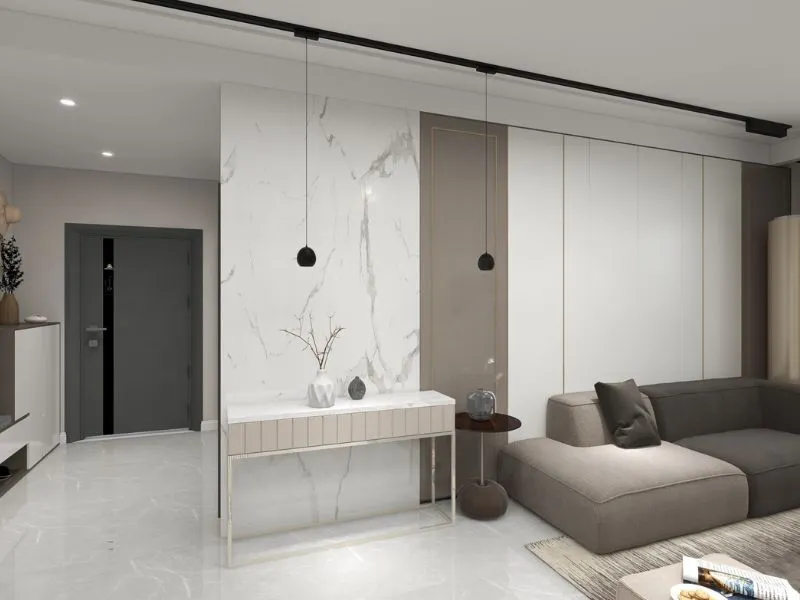 Multi level lighting design: creating a comfortable and high-end spatial lighting environmentThe core design concept of multi-level lighting is to comprehensively consider the full dimensional conditions of the space for systematic lighting layout, including ceiling height, furniture placement, natural lighting intensity, and overall interior decoration style, so that the lighting is perfectly adapted to the space, rather than the arbitrary combination of single lamps.Through this scientific design method, space lighting can achieve four core values:
Flexible switching of lightingThe lighting mode can be freely adjusted according to different scenarios, easily switching between bright white light for work and study, neutral light for daily activities, and soft warm light for leisure and relaxation at night, meeting the needs of all scenarios.
Enhance spatial aestheticsBy utilizing changes in light brightness, color temperature, and angle, a visual sense of hierarchy and spatial depth is created, accurately highlighting architectural and decorative highlights such as walls, ceilings, and soft furnishings, fully showcasing the uniqueness of interior design.
Efficient energy conservation and consumption reductionEquipped with multiple dimmable light sources for dispersed lighting, there is no need for a single lamp to operate at high power for a long time. By turning on the corresponding light source as needed, the overall energy consumption can be effectively reduced, balancing practicality and energy conservation and environmental protection.
Clear functional zoningBy using different lighting methods to divide functional areas, without the need for physical partitions, the boundaries of living rooms, dining rooms, leisure areas, and other areas can be clearly defined, improving space utilization and order.
From this, it can be seen that multi-level lighting is not simply a combination of lights, but an ideal lighting solution that balances comfort, fashion, flexibility, and practicality. It can tailor the lighting environment according to your lifestyle habits, allowing the space to meet daily functional needs while perfectly showcasing exclusive personality and aesthetic style. How to create perfect multi-level lighting?To create multi-level lighting that is suitable for home use, it is necessary to consider spatial characteristics, functional requirements, and design aesthetics, balancing technical parameters and visual effects. By following these steps, it is easy to build a practical, comfortable, and advanced multi-layer lighting system:Comprehensive analysis of spatial basic conditionsFirstly, survey the core features of the room, including area, layout structure, floor height, and natural light intensity. This is the core basis for determining the number and type of light sources. The space with high and low levels is suitable for choosing ceiling mounted basic lighting, and high levels can be paired with pendant lights. Areas with sufficient natural light can reduce dependence on the main light, while dimly lit spaces require additional supplementary light sources.Customize exclusive lighting according to functional zonesDivide the room into work area, leisure area, kitchen area, entertainment area, etc. according to the living scene, and match the corresponding lighting scheme for each area. The kitchen operation area requires high brightness and glare free task lighting, while the dining area in the restaurant is suitable for soft and warm ambient lighting, making the lighting fully suitable for different scene usage needs.Combining four types of core lighting to construct a hierarchyCombining basic lighting, task lighting, key lighting, and decorative lighting to create a complete light and shadow hierarchy.Use central chandeliers and ceiling lights to provide uniform basic lighting throughout the house.Use desk lamps and mirror lights to illuminate tasks such as reading and beauty. Highlight decorative paintings, soft furnishings, and other key lighting with spotlights and wall washers.Decorative lighting with LED strips and styling lights to enhance the atmosphere, making the space more profound and three-dimensional.Configure dimmable lighting systemPaired with dimming lamps, smart switches, or whole house smart home systems, the brightness and color temperature of the lights can be freely switched according to time and mood. Turning on bright light during the day to meet activity needs, and switching to soft warm light at night to create a relaxing atmosphere, can greatly improve the convenience and comfort of living.Scientific selection of color temperatureAccurately select color temperature according to regional functions: 2700-3000K warm light is used in the rest area (bedroom, living room leisure corner) to create a warm and healing atmosphere. The work and study area (study room, kitchen countertop) uses 4000-5000K cool white light to ensure clear and focused lighting, and a reasonable combination of color temperature gives each space a unique and comfortable lighting experience.Maintain overall balance and coordination of light and shadowTo avoid excessive indoor lighting, uneven brightness, or cluttered lighting fixtures, the power, layout, and style of all light sources should be coordinated with each other. Control the density of light sources, eliminate glare and dead corner shadows, and make the overall light soft and uniform, ensuring visual comfort without damaging the cleanliness and simplicity of the space.Incorporating decorative lighting to enhance aestheticsBalancing practicality and decoration in lighting, we select designer style lighting fixtures, linear LED strips, embedded lighting fixtures, etc. in combination with indoor style, making lighting a part of space decoration, creating eye-catching lighting combinations, and further enhancing the fashion and design sense of the space.By following the above techniques, you can create multi-level lighting with rich layers and complete functions, making indoor spaces practical, fashionable, and warm, perfectly adapting to all the needs of daily living.
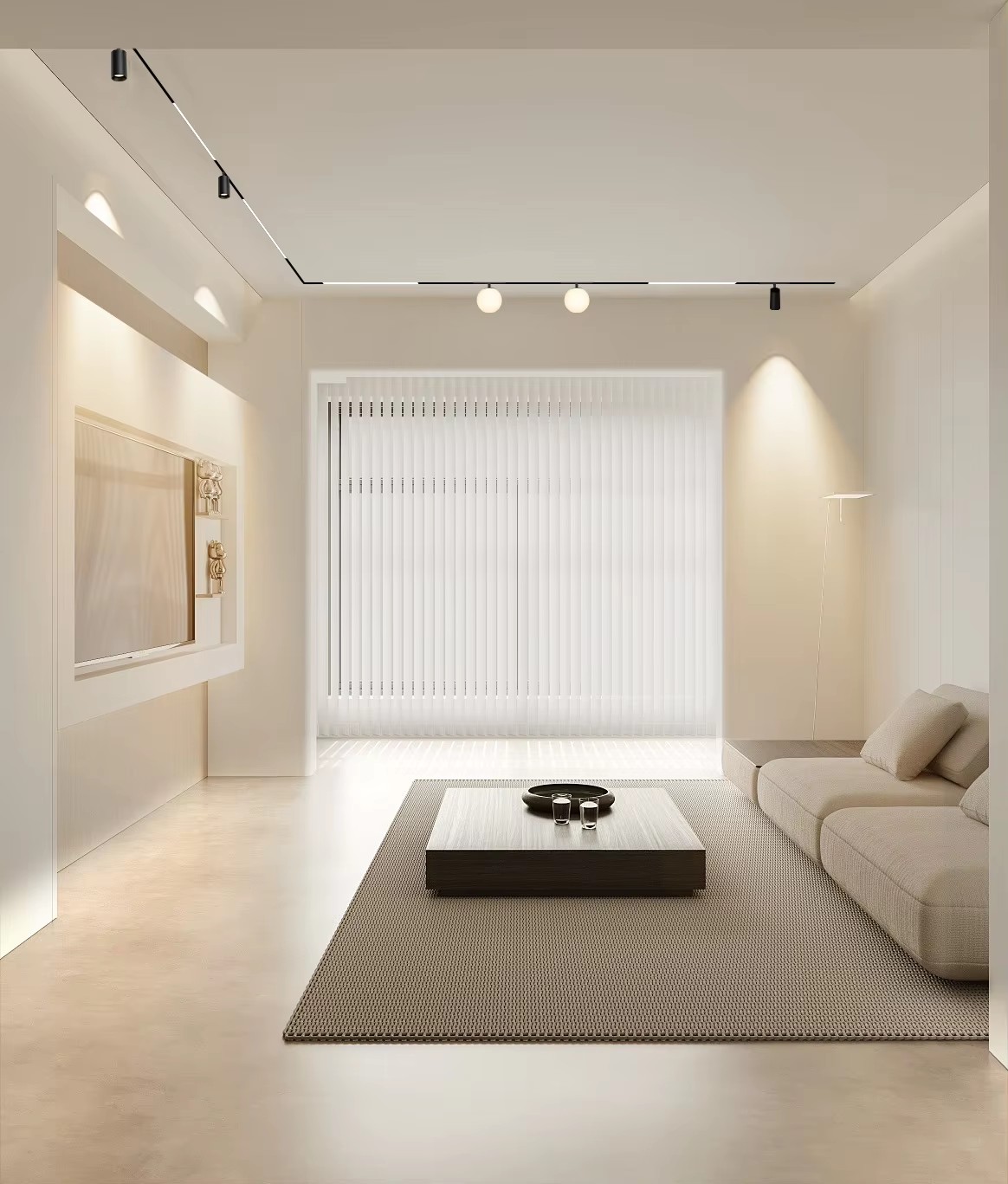 How to correctly use multi-level lighting with four levels?Multi level lighting is the core of creating comfortable, practical, and stylish indoor spaces, consisting of four levels: basic lighting, task lighting, key lighting, and decorative lighting. Each type of lighting has its own unique function, and a harmonious combination of the four is necessary to fully tap into the spatial light and shadow layers and practical potential.
| Lighting Level |
Core Function |
Common Fixtures |
Usage Tips |
| General Lighting |
Provides uniform, soft base brightness for the entire space; supports daily activities |
Ceiling chandeliers, surface-mounted lights, LED panel lights, recessed downlights |
1. Choose dimmable fixtures for large spaces to adjust brightness flexibly;
2. Opt for slim ceiling lights in low-ceiling rooms to avoid oppression;
3. Recommend 4000K neutral white light (shadow-free for all scenes). |
| Task Lighting |
Delivers focused, glare-free local light for specific activities (reading, cooking, working) |
Table lamps, floor lights, wall sconces, under-cabinet lights, vanity lights, counter pendant lights |
1. Use angle-adjustable table lamps in studies/offices to target work surfaces;
2. Install under-cabinet lighting in kitchens to eliminate shadows;
3. Choose 2700-3000K warm white light for reading (eye-friendly). |
| Accent Lighting |
Highlights decorative details (paintings, sculptures, niches) to add depth and visual focus |
Directional spotlights, magnetic track lights, LED strip lights, built-in display lights |
1. Use narrow-beam fixtures to pinpoint specific objects;
2. Control brightness to avoid glare (prioritize soft highlighting);
3. Match with interior style; colored lights optional for personalized effects. |
| Decorative Lighting |
Creates ambiance and showcases personality; focuses on aesthetic enhancement rather than pure functionality |
Stylish chandeliers, artistic wall sconces, decorative LED strips, luxury crystal lights, creative design lamps |
1. Select fixtures that align with interior style (e.g., minimalistic for Scandinavian, ornate for classic);
2. Ideal for dining areas and lounges to build warmth;
3. Pair with dimmers to adjust ambiance freely. |
 Finally, I would like to sayWithout the need for complex design techniques, as long as we follow the principle of "function first, aesthetics as a supplement" and ensure that each layer of light accurately matches the scene, we can easily upgrade ordinary spaces into a practical, comfortable, and high-end light and shadow home. You can start by adjusting the angle of a lamp and choosing the right color temperature, making lighting a simple yet powerful way to improve the quality of life.SmartGlow is a professional manufacturer with over 13 years of experience in the lighting industry, providing one-stop lighting solutions. If you are decorating your space with lighting, please contact us now! We provide free consultation and solution design services!
Previous
LED Lighting Strategy: A One-stop Guide To Style, Wattage, Replacement, And Lifespan
Read More
Next
Full Guide For Selecting, Installing And Using Magnetic Track Lights System
Read More


