✓ From residential interiors to commercial and architectural projects, linear LED light provides a balance between functional illumination and modern aesthetic design.
Lighting is no longer only about providing brightness. Among various lighting solutions, LED linear light has become one of the most popular choices because of its sleek appearance, excellent performance, and flexible design possibilities.
Unlike traditional point-source lighting, linear lighting provides continuous illumination through an elongated structure, creating smooth and uniform light distribution. With advancements in LED technology, linear LED light solutions now offer better energy efficiency, longer lifespan, and more design flexibility for both functional and decorative lighting. From suspended designs to recessed installations, LED linear lighting can adapt to different architectural styles while maintaining a clean and modern appearance.
1. What Is LED Linear Light?
LED linear light is a type of lighting fixture that uses LED modules arranged in a long, narrow housing to produce continuous illumination. Unlike traditional lamps that create concentrated light points, LED linear lighting delivers a wider and more balanced light output, reducing dark areas and improving visual comfort.
A typical LED linear light consists of several key components:
The LED module is the core light source. It converts electrical energy into light with high efficiency while producing less heat compared with traditional lighting technologies.
Most high-quality linear LED fixtures use aluminum housing because aluminum provides excellent heat dissipation. Efficient thermal management helps maintain LED performance, extend product lifespan, and improve reliability.
The diffuser controls light distribution and reduces glare, creating soft and comfortable illumination.
The driver regulates electrical current to ensure stable operation and consistent brightness. With these components working together, led linear lighting provides an efficient, durable, and aesthetically pleasing lighting solution.
2. Benefits of LED Linear Lighting
LED technology has changed the way lighting systems are designed. Compared with traditional lighting sources, LED linear lighting offers advantages in efficiency, performance, durability, and design flexibility.
2.1 High Energy Efficiency
One of the biggest advantages of LED linear lighting is its excellent energy efficiency. LED technology converts a higher percentage of electrical energy into usable light while generating less wasted heat. This allows led linear light fixtures to achieve high brightness with lower power consumption. Compared with fluorescent and traditional lighting systems, LED linear solutions can significantly reduce energy usage while maintaining stable illumination performance.
2.2 Long Lifespan and Low Maintenance
LED light sources are designed for long operational life. A high-quality linear LED light can maintain reliable performance for many hours, reducing the need for frequent replacement. The combination of durable LED chips, aluminum housing, and efficient heat management helps improve product lifespan. The lower maintenance requirement makes LED linear fixtures a practical long-term lighting investment.
2.3 Excellent Heat Dissipation
Heat management directly affects LED performance and lifespan. Many LED linear lighting products use aluminum structures because aluminum has excellent thermal conductivity. The aluminum body helps transfer heat away from LED components, preventing overheating and maintaining stable light output. This is especially important for high-power products such as linear high bay LED lights and LED linear high bay fixtures.
2.4 Uniform Light Distribution
Traditional lighting often creates uneven brightness because light comes from individual points. LED linear lighting uses a continuous LED arrangement to create smoother illumination with fewer shadows and less glare. This makes linear LED light more comfortable for the eyes and improves overall visual quality.
2.5 Flexible Design Possibilities
The slim and modular structure of LED linear fixtures allows designers to create different lighting effects.
LED linear systems can be:
Suspended from ceilings
Installed into ceilings
Mounted on surfaces
Integrated into architectural structures
This flexibility allows linear lighting fixtures to combine both functional lighting and modern design aesthetics.
2.6 Wide Range of Color and Control Options
Modern LED linear lighting supports various color temperatures and lighting controls.
Options include:
Warm white lighting for comfortable environments
Neutral white lighting for balanced visibility
Cool white lighting for clear illumination
Many systems can also support dimming and smart control functions, providing greater flexibility for lighting adjustment.
LED Linear Lighting vs Traditional Lighting Comparison
| Feature |
LED Linear Light |
Fluorescent Light |
Traditional Incandescent Light |
| Energy Efficiency |
High efficiency with lower power consumption |
Medium efficiency |
Low efficiency |
| Lifespan |
Long lifespan |
Moderate lifespan |
Short lifespan |
| Heat Output |
Low heat generation with proper heat management |
Higher heat output |
High heat generation |
| Light Distribution |
Smooth and uniform illumination |
Can create uneven lighting |
Point-focused lighting |
| Maintenance |
Low maintenance requirement |
Frequent tube replacement |
Frequent bulb replacement |
| Design Flexibility |
Supports pendant, recessed, and modular designs |
Limited designs |
Limited design options |
| Environmental Performance |
Lower energy consumption and reduced waste |
Contains special materials requiring disposal considerations |
Higher energy waste |
3. Main Types of LED Linear Lighting
LED linear lighting is available in different structural designs to meet various lighting and architectural requirements. Compared with traditional point-source lighting, linear LED solutions provide continuous illumination, cleaner visual lines, and more flexible installation options.
The following are the main types of LED linear light products and their unique advantages.
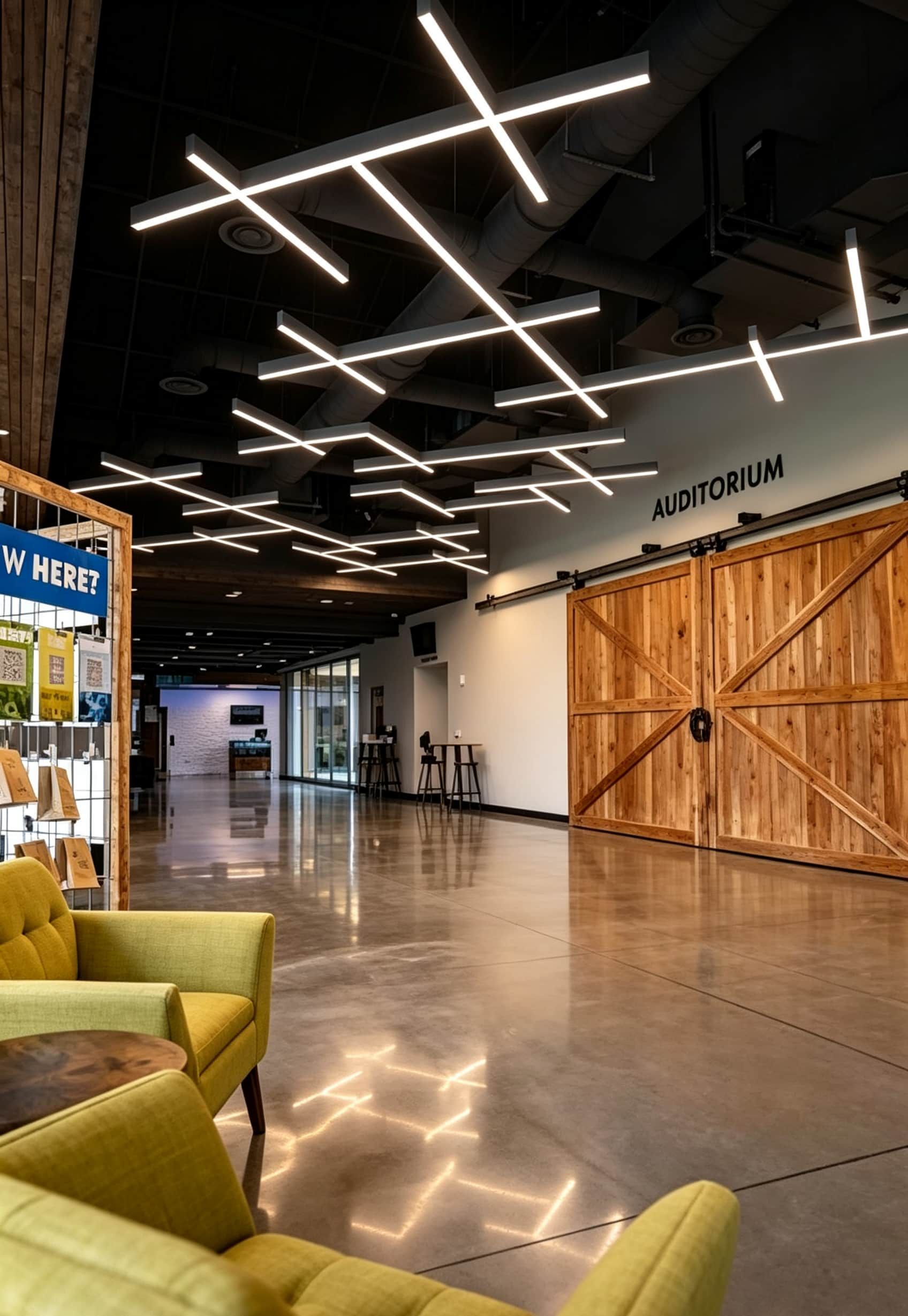
LED pendant magnetic track light combines a suspended linear lighting fixture with a magnetic track system. Unlike traditional pendant lights that have a fixed installation position, this design allows the light fixture to be easily moved or adjusted along the track. A key feature of this product is up and down lighting, which provides direct downward illumination while creating indirect upward ambient lighting.
Lighting Effects
Downward lighting provides focused illumination for working or activity areas.
Upward lighting reflects light onto ceilings or surrounding surfaces, creating a softer and more comfortable atmosphere.
The combination of direct and indirect light reduces harsh shadows and improves visual balance.
This makes the linear pendant lighting design not only a functional lighting solution but also an architectural decorative element.
Aluminum LED linear lighting is a linear lighting system that uses an aluminum profile as the main housing structure. The aluminum body protects internal LED components while also acting as a heat dissipation system. Because of its excellent thermal conductivity, aluminum has become one of the most common materials used in linear LED fixtures.
Lighting Effects
Continuous and uniform illumination along the entire fixture length.
Smooth light distribution with fewer dark spots compared with traditional lamps.
A clean architectural lighting appearance due to its slim linear structure.
The aluminum profile also helps maintain stable brightness by controlling heat generated during operation.
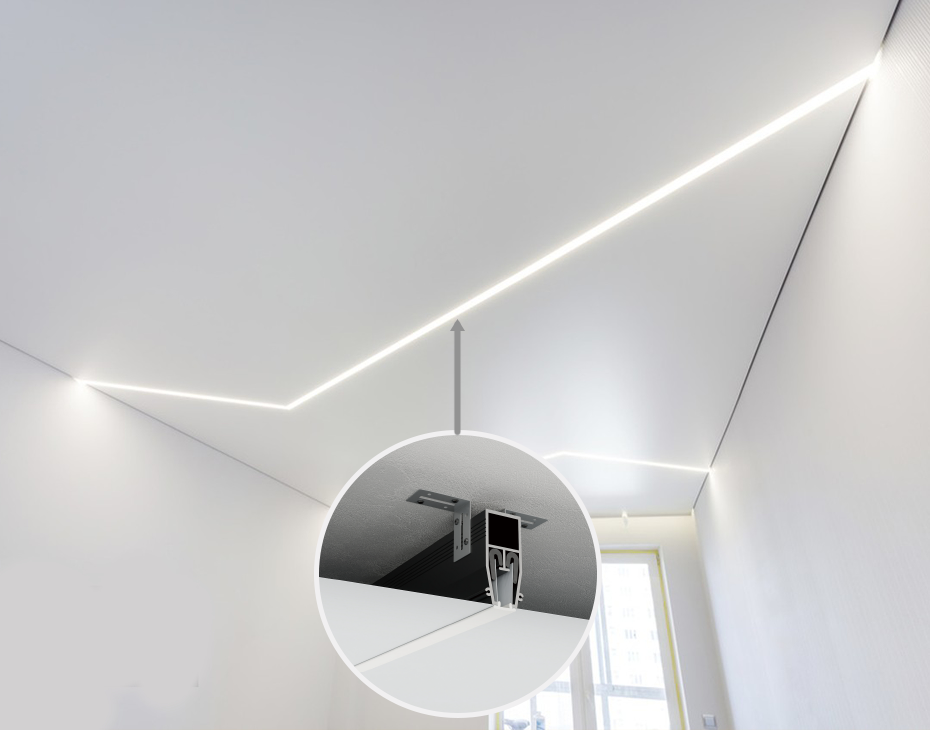
A recessed linear downlight is a linear lighting fixture installed inside a ceiling, allowing the light source to blend into the architectural structure. Unlike surface-mounted fixtures, recessed linear lights create an integrated appearance where the lighting system becomes part of the ceiling design.
Lighting Effects
A seamless and minimalist ceiling appearance.
Continuous lines of illumination without visible bulky fixtures.
Soft and balanced downward lighting.
Improved spatial perception by extending visual lines across the ceiling.
This type of lighting is often selected when designers want illumination without interrupting the overall interior style.
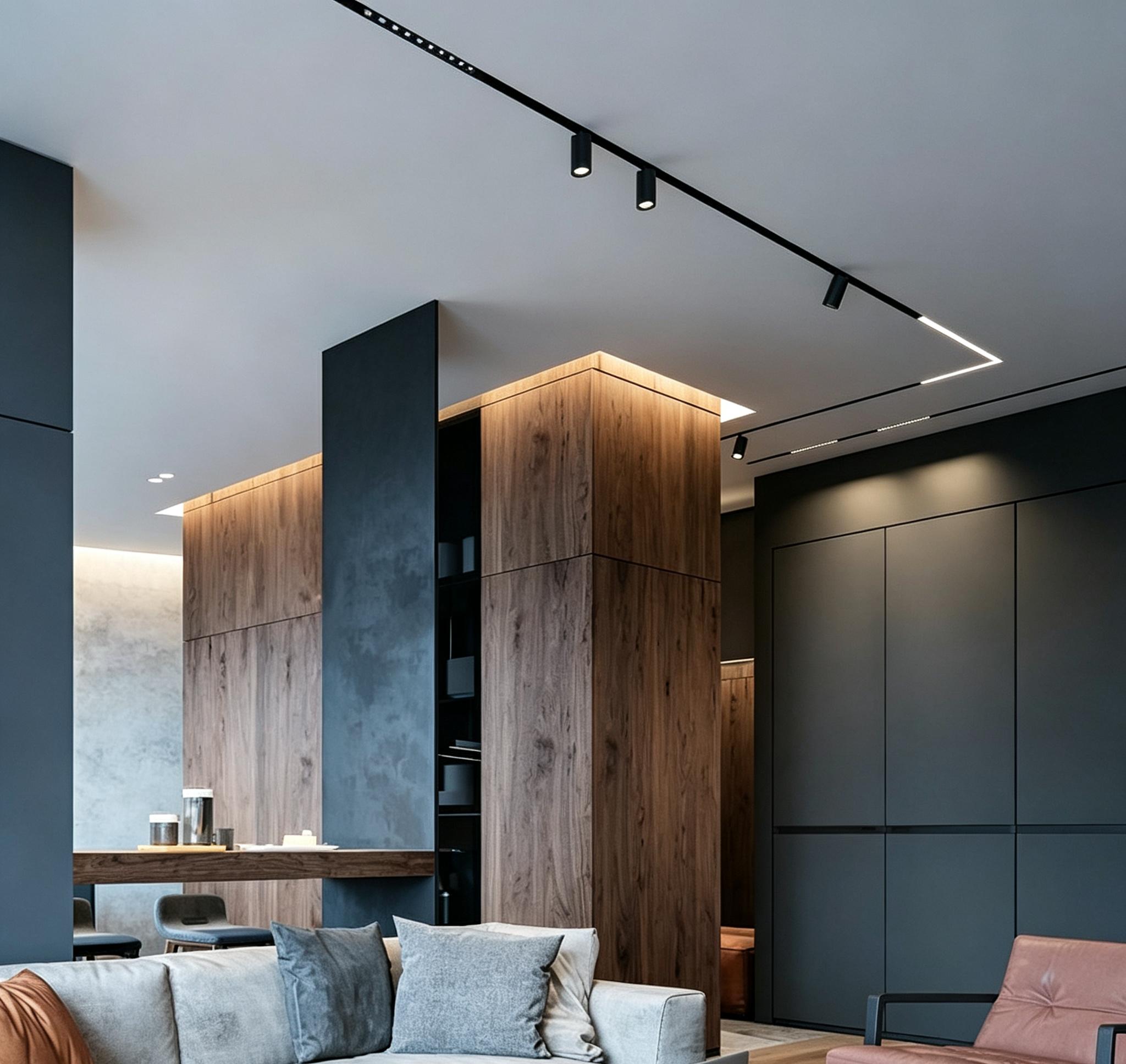
Magnetic track lighting is a modular lighting system that uses magnetic connections to attach lighting components onto a track. Unlike fixed lighting systems, magnetic track designs allow users to install, remove, and reposition different lighting modules easily. The system can support different linear lighting modules while maintaining a clean and organized appearance.
Lighting Effects
Flexible directional lighting effects.
Adjustable illumination layouts based on space requirements.
Clean linear lighting patterns that enhance modern interiors.
A customized lighting atmosphere by combining different modules.
The ability to reposition fixtures allows designers to adjust lighting effects without changing the entire electrical system.
Summary: Choosing the Right LED Linear Lighting Type
| Type |
Main Feature |
Lighting Effect |
Key Advantage |
| LED Pendant Magnetic Track Light |
Suspended design with magnetic adjustment |
Up and down layered lighting |
Combines decorative and functional lighting |
| Aluminum LED Linear Lighting |
Aluminum housing structure |
Uniform continuous illumination |
Better heat dissipation and durability |
| Recessed Linear Downlight |
Ceiling-integrated installation |
Seamless minimalist lighting |
Cleaner appearance than traditional fixtures |
| Magnetic Track Lighting |
Modular magnetic system |
Flexible adjustable lighting |
Easy repositioning and customization |
4. Applications of LED Linear Lighting: Creating Functional and Architectural Lighting Designs
LED linear lighting is not simply a replacement for traditional lighting fixtures. With its continuous light output, slim profile, and flexible installation options, it has become an important element in modern architectural and interior lighting design.
Designers use LED linear light not only to provide illumination but also to shape spatial atmosphere, define architectural structures, and create visual connections between different areas.
4.1 Creating a Modern and Minimalist Interior Atmosphere
Modern interior design often focuses on simplicity, clean lines, and visual harmony. The slim structure of linear lighting fixtures allows lighting to blend naturally with ceilings, walls, and furniture without creating visual clutter.
By integrating linear LED light into architectural elements, designers can achieve:
- Clean and continuous lighting lines
- A minimalist visual appearance
- Balanced brightness throughout the space
- A more open and spacious feeling
Compared with traditional lamps that become obvious decorative objects, LED linear lighting works as part of the architecture itself, creating a more refined and contemporary atmosphere.
4.2 Using Linear Lighting to Define Spatial Structure
Lighting can be used as a design tool to guide movement and highlight important areas.
The extended shape of linear LED fixtures helps create visual direction and organization within a space.
Common design approaches include:
- Using ceiling linear lights to emphasize architectural lines
- Installing wall-mounted linear lights to enhance vertical structures
- Applying continuous lighting elements to connect different areas visually
Unlike individual spotlights that create separate points of brightness, linear lighting provides a continuous lighting flow that makes spaces feel more connected.
4.3 Creating Layered Lighting Effects with Direct and Indirect Illumination
A well-designed lighting system usually combines different lighting layers instead of relying on a single light source.
Products such as LED pendant magnetic track light with up and down lighting can create both:
- Direct illumination for functional lighting
- Indirect illumination for ambient atmosphere
- This combination creates depth and improves visual comfort.
Compared with traditional single-direction lighting, dual-direction linear lighting provides a richer lighting experience by balancing brightness and atmosphere.
4.5 Designing Flexible Commercial Lighting Spaces
Commercial spaces often require lighting systems that combine efficiency, flexibility, and visual appeal. LED linear lighting allows designers to create organized lighting layouts while maintaining a modern appearance.
Through solutions such as:
- Suspended linear LED lighting
- Magnetic track lighting
- Linear LED fixtures
designers can easily adjust lighting arrangements according to different layouts and requirements.
Compared with traditional lighting systems, linear lighting provides greater freedom in creating customized lighting designs.
Conclusion
LED linear lighting combines advanced LED technology with modern design concepts. With advantages such as energy efficiency, long lifespan, excellent heat dissipation, and flexible installation options, LED linear light has become an essential solution for contemporary lighting design.
From suspended linear systems to recessed designs and magnetic track solutions, different types of linear lighting provide designers with more possibilities to create comfortable, functional, and visually appealing spaces. As lighting trends continue to evolve, linear LED light will remain an important choice for modern architectural and interior lighting.The dazzling array of LED linear lighting products is dazzling, yet the effects brought by LED linear lighting are stunning. For more information, please contact our expert team and we will recommend LED linear lighting products that are suitable for your project. Or click here to view more LED linear products.
FAQ
1. Is LED linear lighting brighter than traditional lights?
The brightness of LED linear light depends on factors such as wattage, LED efficiency, lumen output, and fixture design.
A properly selected linear LED fixture can provide equal or higher brightness than traditional lighting while consuming less energy. Because LED linear lighting distributes light continuously, it often feels more comfortable and balanced even at similar brightness levels.
2. Why is aluminum used for LED linear lights?
Aluminum is commonly used in LED linear fixtures because it has excellent thermal conductivity.
The aluminum housing helps:
Remove heat generated by LED chips
Improve product reliability
Extend LED lifespan
Maintain consistent light output
Compared with plastic housings, aluminum structures usually provide better durability and heat control.
3. What is the difference between pendant linear lighting and recessed linear lighting?
The main difference is the installation method and visual effect.
Pendant Linear Lighting:
Suspended from the ceiling
Creates a decorative focal point
Suitable for spaces requiring both lighting and design elements
Recessed Linear Lighting:
Installed inside the ceiling
Creates a seamless and minimalist appearance
Suitable for clean architectural designs
Both provide continuous illumination but create different visual experiences.
4. Can LED linear lighting be dimmed?
Many modern linear LED lighting fixtures support dimming functions when paired with compatible drivers and control systems.
Dimming allows users to adjust brightness according to different needs, creating a more comfortable and flexible lighting environment.


