How To Choose, Install, And Maintain Perimeter Lighting?
By SmartGlow
April 14th, 2026
Perimeter lighting is a soft indirect lighting scheme arranged along spatial boundaries, commonly used for ceilings, walls, and outdoor scenes. This article provides a detailed introduction to the advantages, common types, design points, installation precautions, maintenance costs, and requirements of perimeter lighting. It helps you choose the appropriate LED perimeter lighting solution in residential, commercial, and other scenarios to enhance the spatial atmosphere and sense of hierarchy.
Perimeter Lighting, also known as boundary lighting, is a classic lighting design technique that involves arranging lamps along the outer edges and boundaries of a space to create indirect and diffuse soft lighting effects. It is a popular solution for designing and creating an atmosphere without a main light.Whether it's ceiling perimeter lighting or outdoor perimeter lighting, they all follow the core logic of "lighting along boundaries": lighting fixtures can be arranged along walls and room perimeter, with common options including embedded linear lights, recessed lights, linear LED strips, wall lights, etc. Strategically installed at the edge of the room, near the ceiling or skirting line, forming a soft halo on the wall to achieve uniform, glare free global supplementary lighting.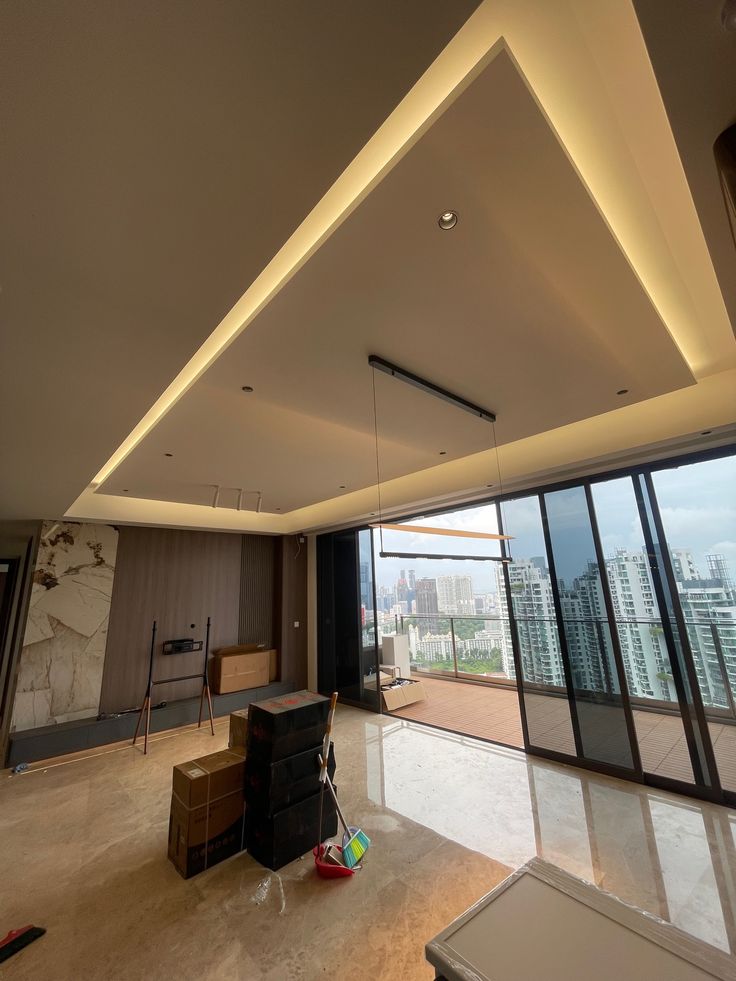 The core advantages of perimeter lights✅ The atmosphere is filled with soft light and shadow, and the surrounding lighting injects soft diffused light into the space, completely eliminating rigid shadows and achieving a more uniform light distribution, suitable for comfortable scenes such as living rooms, bedrooms, hotels, etc.✅ Highlighting architectural and spatial features through precise perimeter lighting design, wall textures, decorative lines, artworks, and other architectural details can be highlighted, making spatial design elements the visual focus and creating richly layered light and shadow effects.✅ Visual expansion and uniform lighting along the walls can visually expand the perceived size of the space, making small units, corridors, and other areas more open and transparent. It is an efficient design technique to enhance the transparency of the space.✅ Auxiliary task lighting, with both functionality and aesthetics, peripheral lighting can be used as ambient light to provide basic lighting for the space. At the same time, auxiliary task lighting: for example, in the kitchen, perimeter lighting provides soft ambient light, paired with key task lighting on the countertop; In scenes such as billiard tables and pool tables, perimeter billiard lights and perimeter pool table lights can accurately fill in the gaps and enhance the user experience.✅ Full scene adaptation, versatile style, and wide range of peripheral lighting applications, covering residential, commercial spaces, retail stores, galleries, hotels, and other places. It can adapt to modern minimalist style, integrate traditional aesthetics, and extend to outdoor scenes. Outdoor perimeter lighting, swimming pool perimeter lighting, perimeter solar lights, and other solutions can be used for boundary lighting of courtyards, swimming pools, and building facades, balancing safety and aesthetics.Key points of peripheral lighting designWhen designing perimeter lighting, it is necessary to match the lighting effect and color temperature of the light source according to the spatial requirements, plan the placement of the lamps reasonably, and flexibly control the brightness with a dimmer to create different spatial atmospheres. At the same time, customized solutions should be selected according to the scene.
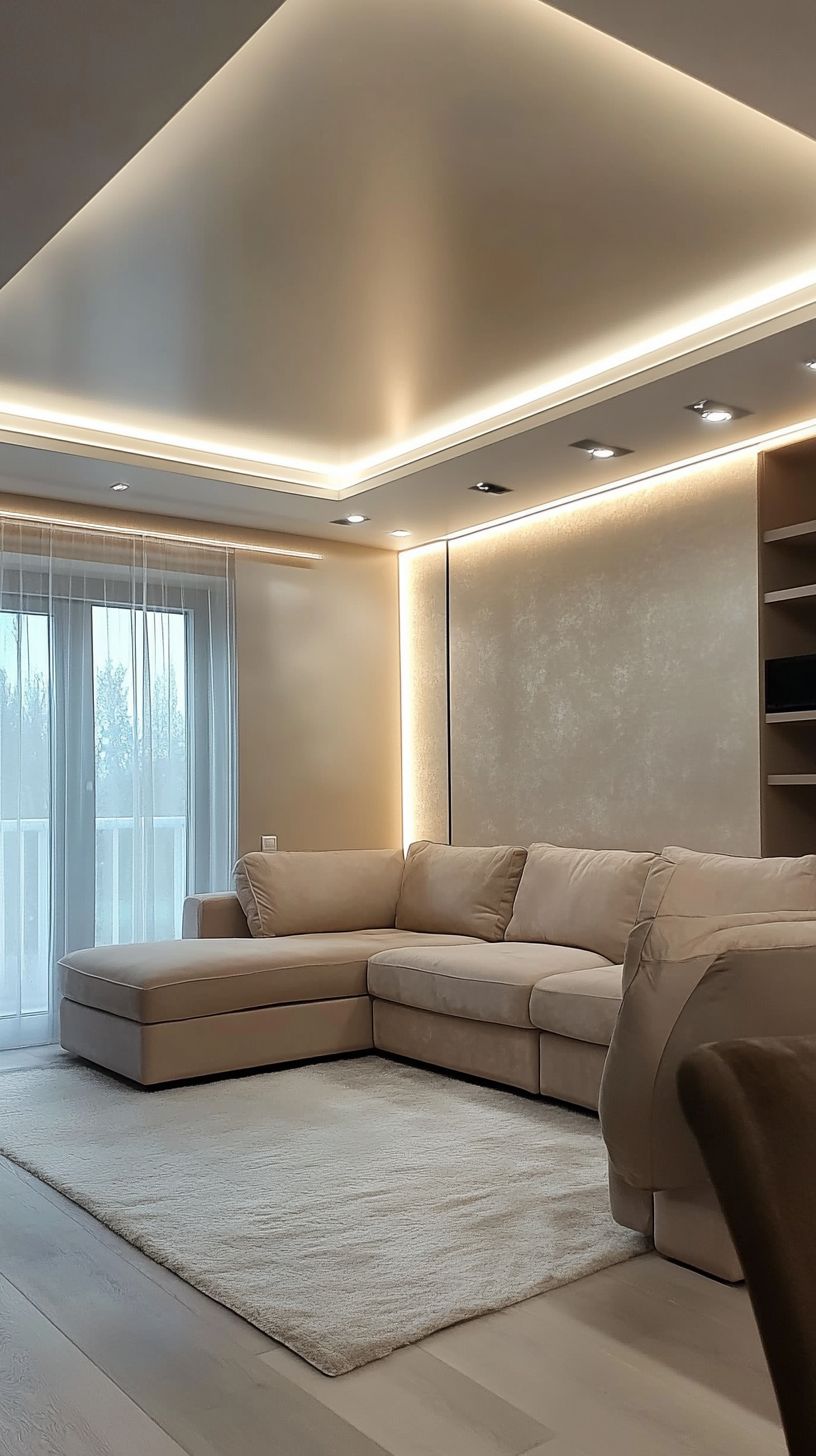 Full analysis of common types of perimeter lighting1. Stretch ceiling concave groove lightingAs a classic model of ceiling perimeter lighting, LED light strips and linear lights are embedded in exclusive stretched ceiling aluminum, projecting upwards to create soft indirect light that wraps around walls and ceilings, creating a suspended and warm atmosphere. It is the first choice for designing perimeter lighting without a main light.2. Wall SconcesSuitable for indoor and outdoor perimeter lighting, installed on walls, with a variety of styles. Placing lights along the perimeter of the room can create decorative highlights and can also be used for building facades and courtyard boundaries, balancing atmosphere and guidance, and adapting to a full style design.3. Recessed Perimeter LightsA universal perimeter lighting scheme for all scenes, installed inside the ceiling, can project soft boundary halos towards the wall, and can also accurately highlight wall decorations and architectural details. Adapt to residential and commercial exhibition halls, and create customized peripheral lighting effects.5. Linear LED Strip LightsLED perimeter lighting is a highly flexible option that can be installed along the edges of ceilings, baseboards, and wall grooves to create seamless and continuous boundary light and shadow. It supports customized styling and is suitable for all scenarios such as indoor lighting without main lights and swimming pool perimeter lighting.6. Track light systemThe track light system consists of a magnetic track with multiple lamps installed on it, which can be flexibly adjusted in position. By facing the lamp head towards the wall, track lights can be used to create ambient lighting.
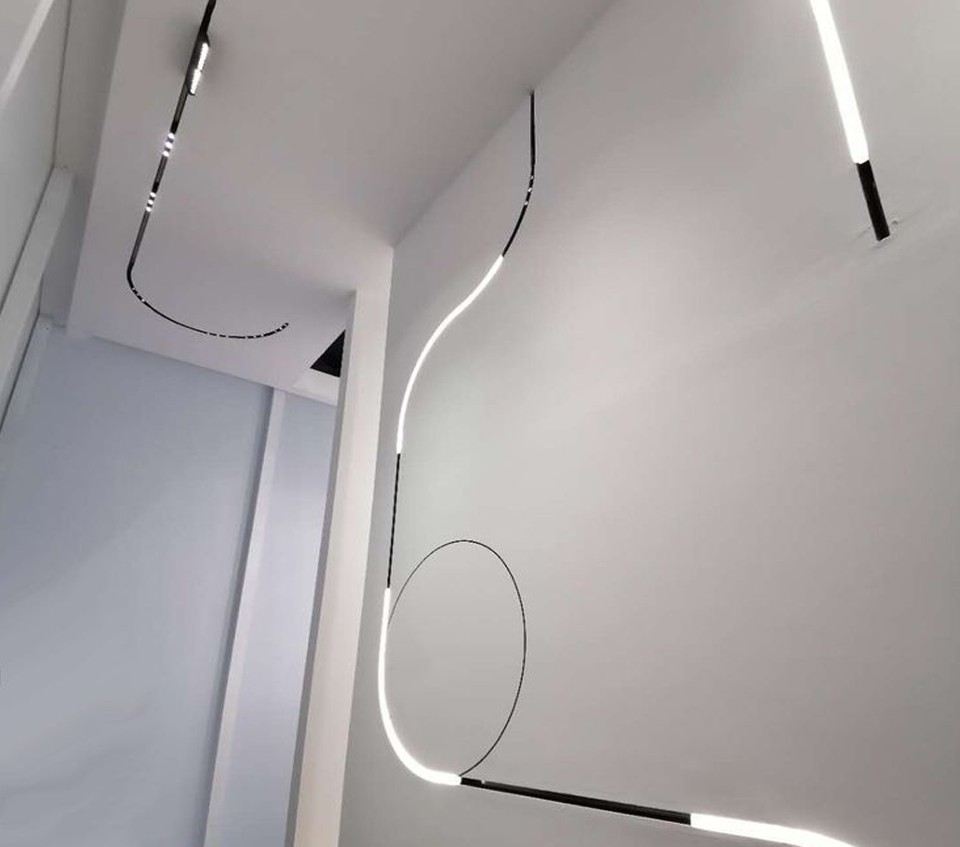 The above are only common types of perimeter lighting, and the actual selection needs to be flexibly matched based on spatial functionality, expected lighting effects, and overall design aesthetics. Multiple lighting methods can be combined and matched to create layered and atmospheric lighting effects, making space boundaries a design highlight that balances practicality and aesthetics.What factors should be considered when choosing perimeter lighting?When selecting perimeter lighting, it is necessary to consider multiple factors in order to ensure that the lighting meets functional requirements and perfectly enhances the atmosphere of the space. The following are key considerations:
Purpose and FunctionFirstly, clarify the purpose of the space, whether it requires basic environmental lighting, highlighting key lighting for buildings and artworks, or task lighting to meet the needs of the activity, and then match the corresponding surrounding lighting scheme accordingly.
illumination brightnessDifferent regions have varying requirements for lighting brightness. The living room and hallway are suitable for soft ambient lighting, while the kitchen and workspace require more sufficient and uniform lighting. When choosing lighting fixtures, it is important to ensure that they can achieve the required illumination.
Style and overall aestheticsThe style of lighting fixtures should be consistent with the spatial style. Whether it is modern, minimalist, industrial or traditional design, the surrounding lighting should be integrated into the overall decoration and building structure to avoid abruptness.
Light distribution methodChoose the form of light according to the design effect, such as focused beam, soft diffuse halo, wall wash light, upward light, etc., to present the ideal distribution and hierarchy of light along the boundary.
energy efficiencyPrioritize energy-saving solutions to reduce long-term usage costs. LED peripheral lighting has become the mainstream choice due to its advantages of high efficiency, energy saving, long lifespan, and strong plasticity.
Dimming and Intelligent ControlLuminaires that support dimming and intelligent control can flexibly adjust brightness, easily switch scene atmospheres, and adapt to different time periods and activity needs.
Maintenance and ConvenienceConsidering the difficulty of post maintenance of lighting fixtures, including light source replacement, cleaning convenience, etc., choose products that are easy to maintain and have strong durability.
project budgetReasonably plan the budget, comprehensively consider the cost of lighting fixtures and installation expenses, and find a balance between aesthetics, functionality, and cost.
Waterproof and SceneSurrounding lighting for outdoor areas, swimming pools, and other areas with special requirements must have a reliable waterproof rating. LED pool peripheral lighting is particularly widely used due to its waterproof, energy-saving, and safety characteristics.Taking into account the above factors, the most suitable perimeter lighting scheme can be selected, balancing functionality, aesthetics, and user experience. If you have complex design requirements, you can also consult lighting designers or professional consultants for more accurate customized advice.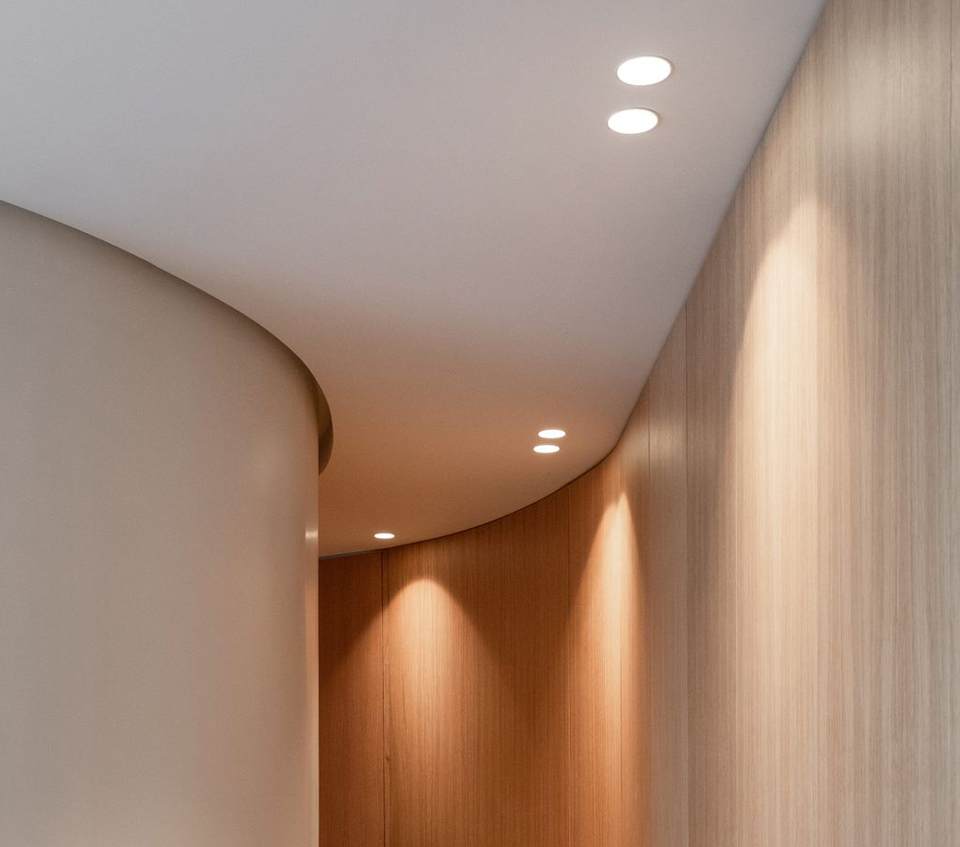 What are the details to pay attention to when installing perimeter lighting?Perimeter lighting is often arranged along ceilings, walls, baseboards, or outdoor boundaries. The installation details directly affect the lighting effect, safety, and service life. The following points should be noted:
Advance planning of layout and routingDetermine the position and routing of the lighting fixtures in advance based on the length and shape of the wall, and try to conceal the wiring as much as possible to avoid exposing it and affecting the appearance; For new projects, it is recommended to embed pipelines before sealing, and avoid installing them later on by avoiding the keel, water pipes, and existing wires.
Ensure that the lighting fixtures are level and alignedWhen installing linear lamps, light strips, and embedded lighting fixtures, they should be kept straight, evenly spaced, and have no gaps in the interface. Otherwise, the light will have breakpoints, uneven brightness, and affect the overall atmosphere.
Control the angle of the lighting to avoid glareWall washing and groove perimeter lighting should adjust the light angle reasonably to avoid direct exposure to the human eye; Outdoor and pool surrounding lighting should also prevent excessive light overflow and light pollution.
Ensure waterproofing in damp and outdoor areasBathroom, outdoor courtyard, swimming pool and other locations must use corresponding waterproof grade lighting fixtures, with sealed joints to prevent moisture and short circuits, and eliminate safety hazards.
Reasonably match power supply and driverMatch the appropriate power supply according to the length of the light strip/linear light to avoid overload; Multiple lighting fixtures are recommended to be powered by zones for easy control and maintenance in the future.
Reserved dimming and intelligent control interfaceIf you need to adjust the brightness, color, or connect to an intelligent system, prepare the control line in advance, install the dimming driver, and avoid the hassle of later modifications.
Heat dissipation and fixationTo ensure the long-term operation of LED lighting fixtures, it is necessary to ensure sufficient heat dissipation space, especially in dark troughs and enclosed areas; The lamp base is firmly fixed to prevent loosening, detachment, or abnormal noise caused by long-term use.
Unified debugging after completionAfter installation, check the consistency of brightness and color temperature, observe whether the light is uniform, whether there are dark areas or shadows, and ensure that the overall atmosphere is uniform and beautiful.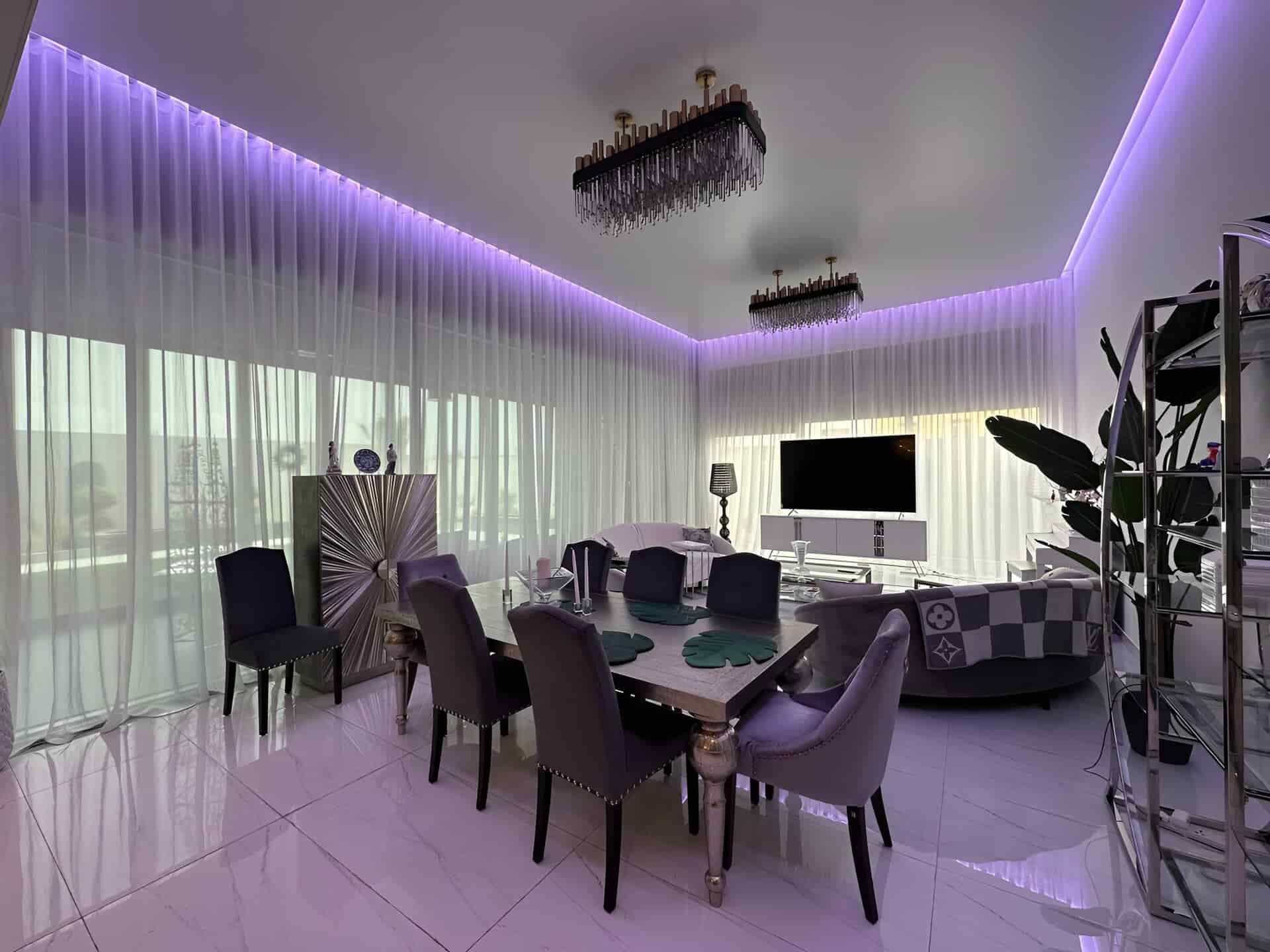 Is the maintenance cost of perimeter lighting high?Overall, the maintenance cost of modern LED perimeter lighting is not high, and even much lower than traditional lighting. Long term use is very worry free and cost-effective.Most perimeter lighting uses LED strips, linear LED lights, and embedded LED fixtures. These products have a lifespan of up to 30000-50000 hours and do not require replacement of light sources for several years in normal household use, greatly reducing the cost of bulb replacement.Secondly, LED has low energy consumption, low heat generation, lower losses to drivers and circuits, and more cost-effective daily electricity expenses. As long as the installation is standardized and qualified waterproof and moisture-proof lighting fixtures are selected, only simple dust wiping is needed in the later stage, without frequent maintenance.Only when low-quality light strips and drivers are used in the initial stage, or when professional waterproof models are not used for outdoor pool perimeter lighting, may malfunctions occur and increase maintenance costs. Choosing high-quality LED perimeter lighting, combined with reasonable installation, has extremely low maintenance costs, and can be used stably for a long time with one investment.Maintenance requirements for perimeter lightingThe maintenance method of perimeter lighting may vary slightly depending on the type of lamp and installation environment. The following are general and practical standard maintenance points:Regularly clean the surface of the lighting fixtures to avoid dust and oil accumulation that affects brightness and appearance. Use a soft cloth and mild cleaning agent to wipe, and do not use corrosive or abrasive products.Regularly inspect the lighting fixtures for cracks, aging, looseness, or corrosion, promptly repair or replace any damages found, and eliminate safety hazards. If a replaceable light source is used, it is necessary to promptly replace the burnt out or dim light bulb, and strictly select the matching model according to the manufacturer's specifications.Regularly inspect the circuit and wiring terminals to ensure a secure connection and intact insulation. If any looseness or exposure occurs, it must be handled by a professional electrician.Regularly conduct power on tests to observe for flickering, uneven brightness, or abnormal faults, and promptly troubleshoot and repair any issues. Keep the area around the lighting fixtures unobstructed, and promptly trim green plants near outdoor lighting fixtures to avoid affecting light output and heat dissipation.Strictly follow the product manual for maintenance, and different lighting fixtures (such as waterproof pool lights, linear LED lights, embedded lights) have exclusive requirements. Before all maintenance operations, be sure to cut off the power supply to ensure electrical safety; Complex problems are recommended to be handled by professionals.Adhering to standardized maintenance can maintain stable and bright perimeter lighting for a long time, extend its service life, and ensure the beauty and safety of the space.
Previous
How To Choose Recessed Lighting? Exploring The advantages Of Recessed Lighting
Read More
Next
Design and Installation Guide for Recessed Lighting Fixtures
Read More


