Integrated LED Downlight vs GU10 LED Downlight: How To Choose?
By SmartGlow
October 5th, 2026
Learn the differences between Integrated LED Downlight and GU10 LED Downlight, including features, benefits, applications, and how to choose the right LED lighting solution.
In modern indoor lighting design, LED downlight has become a very common lighting product in residential, commercial spaces, and engineering projects. Compared to traditional halogen lamps and energy-saving lamps, LED downlights have advantages such as energy saving, high brightness, long lifespan, and flexible design, which can effectively improve the lighting effect of the space while reducing long-term usage costs. At present, the commonly seen LED downlights in the market are mainly divided into two types: Integrated LED Downlight and GU10 LED Downlight. Although both belong to embedded lighting products, there are significant differences in structural design, installation methods, maintenance costs, and application scenarios.So, what are the differences between integrated LED tube lights and GU10 LED downlights? How to choose in actual lighting projects? This article will provide a detailed introduction from the aspects of product features, advantages, and application scenarios.What is an integrated LED downlight?Integrated LED downlight is an LED lighting product that integrates LED light source, driving power supply, and lamp structure for design. Unlike traditional tube lights that require the installation of independent light bulbs, the integrated LED tube light already comes pre installed with LED modules inside. Users do not need to purchase or replace light bulbs during installation, but only need to install the entire lamp into the ceiling opening.This design gives the integrated LED downlight a more compact structure and a more modern appearance. At present, many residential, office, hotel, and commercial buildings choose integrated LED downlights as their main lighting solution.Due to the overall matching design between the LED light source and the lamp body, the integrated LED downlight can achieve better heat dissipation and optical performance. Excellent heat dissipation structure can reduce the heat generated by LED chips during long-term operation, thereby improving the stability of the lamp and extending its service life. Meanwhile, professionally designed optical lenses can control the beam angle, making the light distribution more uniform and reducing glare issues.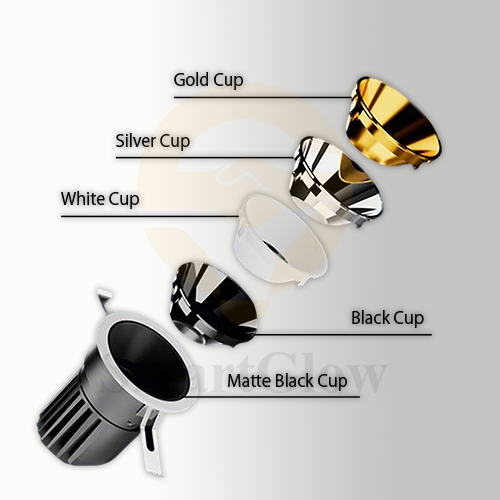 The advantages of integrated LED downlights1. Higher light efficiency and energy-saving performanceThe integrated LED downlight adopts a matching design between the LED light source and the lamp, which can reduce the energy loss between the light source and the lamp body in traditional lamps. Compared to traditional lighting products, LED downlights can usually achieve the same brightness with lower power. For example, in residential and commercial lighting, choosing high-quality LED downlights can effectively reduce long-term electricity expenses.In addition, integrated LED tube lights usually use high-quality LED chips and driving power supplies, which can maintain stable brightness, avoid frequent flickering, and improve the user experience.
2. The appearance is more concise and suitable for modern decorationWith the increasing emphasis on minimalist style in modern architectural design, ultra-thin LED downlights are becoming more and more popular.The integrated LED downlight does not have an additional bulb structure, so it can be designed to be thinner, more aesthetically pleasing, and particularly suitable for:Living room ceiling lightingBasic lighting for bedroomhotel roomoffice spaceCommercial display areaFor projects that pursue a sense of overall design, integrated LED downlights can better integrate into the ceiling design, making the visual effect of the space cleaner.
3. Easy installation and low maintenance requirementsIntegrated LED downlights are usually installed using spring snap fasteners. Simply drill holes according to the product size and connect a power source to complete the installation. Compared to traditional tube lights that require separate purchase of light bulbs, integrated LED downlights reduce installation steps and are more suitable for large-scale engineering projects, which can improve construction efficiency. However, it should be noted that due to the integrated design of LED light sources and fixtures, when the LED module is damaged, the entire fixture usually needs to be replaced. Therefore, it is very important to choose a reliable LED downlight manufacturer and high-quality products.What is GU10 LED downlight?GU10 LED downlight is an LED downlight product designed with GU10 socket interface. GU10 is a very common bulb interface specification, where the number "10" represents a distance of 10 millimeters between two pins. Unlike integrated LED downlights, GU10 LED downlights adopt a structure where the lamp and light source are separated, allowing users to freely replace GU10 LED bulbs according to their needs. This modular design gives GU10 LED downlights high flexibility, making them widely used in commercial lighting, key lighting, and display lighting fields.Due to the independent replacement of GU10 bulbs, GU10 LED downlights are widely used in commercial display fields. For example, clothing stores, jewelry stores, art galleries, and other places often need to adjust the lighting effect according to changes in product display. In this case, the flexible advantage of GU10 LED downlights is very obvious.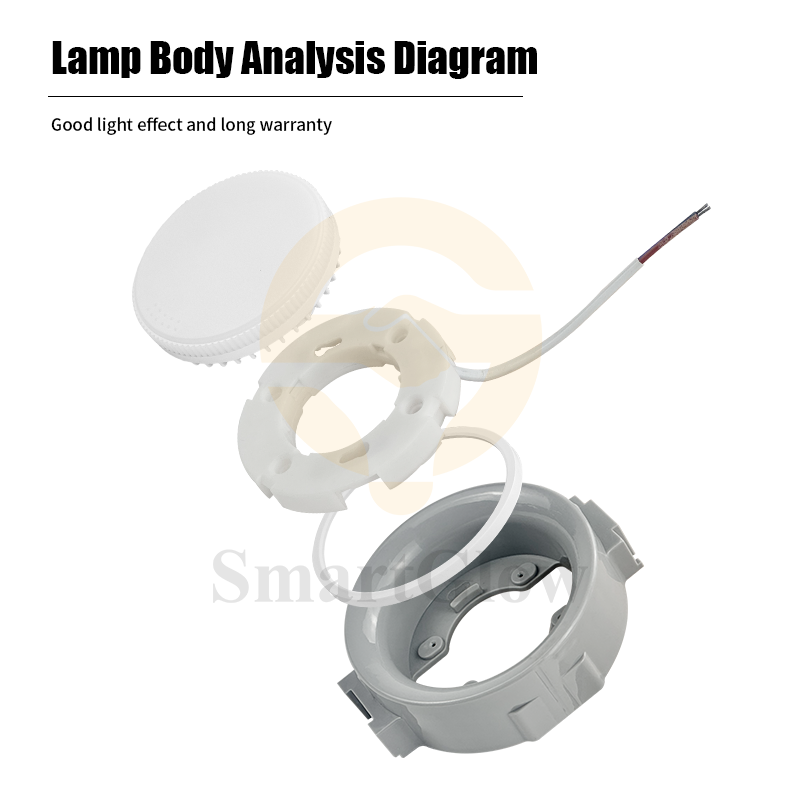 The main advantages of GU10 LED downlight1. The light source can be replaced, making maintenance more convenientThe biggest feature of GU10 LED downlight is that the bulb can be replaced separately. When the GU10 LED bulb malfunctions or the brightness decreases, users do not need to disassemble the entire lamp, they only need to replace it with a new GU10 LED bulb.This design has the following advantages:Reduce maintenance costs in the later stageExtend the overall service life of the lighting fixturesConvenient upgrade to higher performance light bulbsTherefore, for commercial spaces that require long-term operation, GU10 LED downlights have high maintenance flexibility.2. Provide more lighting optionsDue to the wide variety of GU10 LED bulbs, users can choose the appropriate lighting effect according to different environments.For example:
- 2700K-3000K Warm White Light: Suitable for creating a comfortable atmosphere in homes and hotels
- 4000K neutral light: suitable for offices and commercial spaces
- Cold white light above 5000K: suitable for environments requiring high brightness
Meanwhile, by selecting GU10 LED bulbs with different beam angles, it is possible to achieve:
- Floodlighting
- Key lighting
- Wall washing effect
- Display lighting
3. More suitable for commercial and exhibition spacesGU10 LED downlights are often used in places where product details need to be highlighted, such as:Retail storeArt Exhibition HallMuseumRestaurantHotel lobbyBy adjusting the angle and beam of the light bulb, the sense of spatial hierarchy can be effectively enhanced, and the product display effect can be improved.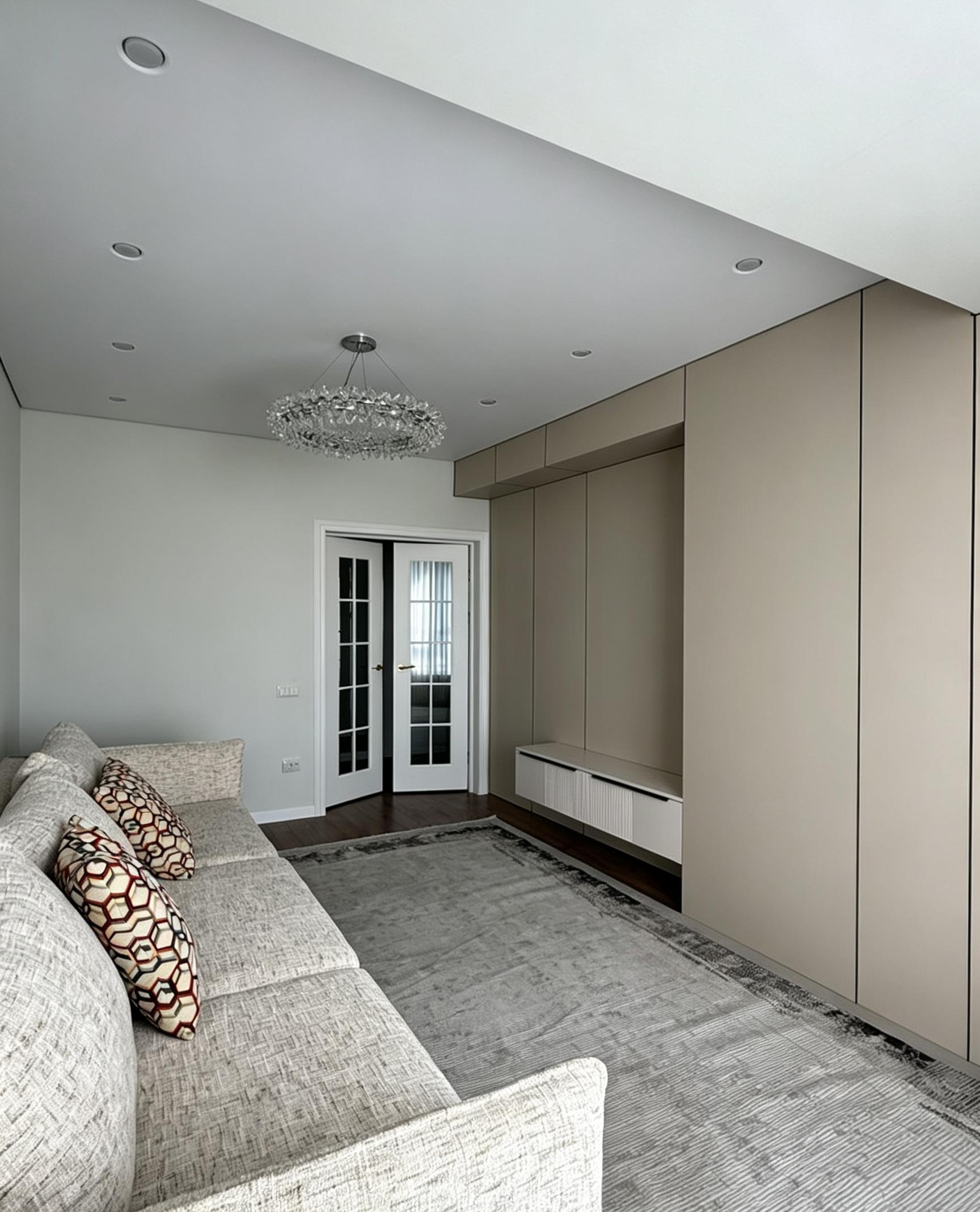 What is the difference between integrated LED downlight and GU10 LED downlight?To gain a more intuitive understanding of the differences between the two, comparisons can be made from the following aspects:
| Comparison Items |
Integrated LED Downlight |
GU10 LED downlight |
| Light Source Design |
Integration of LED module and lamp body |
Use replaceable GU10 bulbs |
| Installation Method |
Install The Entire Lamp |
Need to install GU10 bulb |
| Industrial Design |
Thinner And More Modern |
Relatively traditional structure |
| Maintenance Method |
Usually Replace The Entire Lamp |
Just replace the light bulb |
| Light Efficiency Stability |
Higher Overall Matching Degree |
Depends on the quality of the light bulb |
| Flexibility |
Lower |
Higher |
| Applicable Scenarios |
Home, Hotel, Office |
Commercial display, key lighting |
 How to choose an integrated LED downlight or a GU10 LED downlight?When choosing LED downlights, it is necessary to consider the actual application environment and lighting requirements.Home lighting: Recommended integrated LED downlightFor residential projects such as living rooms, bedrooms, kitchens, and corridors, integrated LED downlights are usually a better choice.main cause:Simple appearance, in line with modern decoration styleMore uniform lightNo need for frequent maintenance after installationLong term use is more stable
Commercial lighting: choose according to demandCommercial spaces need to consider display effects and lighting adjustment requirements.For example:Office and hotel rooms: more suitable for integrated LED downlightsShop, showroom, restaurant: GU10 LED downlight is more flexibleIf the space requires frequent adjustments to the display layout, the GU10 LED downlight can quickly replace different bulbs, making it more convenient to upgrade the lighting.What other parameters should be considered when choosing LED downlights?In addition to selecting product types, the following key parameters should also be considered when purchasing LED tube lights:Color rendering index (CRI)CRI represents the ability of lighting to restore the true color of objects.CRI ≥ 80: meets the needs of general lightingCRI ≥ 90: Suitable for commercial displays, hotels, and high-end residencesColor Temperature (CCT)Different color temperatures can affect the spatial atmosphere:Warm white light: warm and comfortableNeutral light: natural and clearCold White Light: Bright and ModernBeam AngleDifferent spaces require different beam angles:Large beam angle: suitable for basic lightingSmall beam angle: suitable for key lightingAnti glare designHigh quality LED downlights usually adopt a deep anti glare structure, which can reduce discomfort caused by direct viewing of light sources and improve visual comfort.ConclusionBoth integrated LED downlights and GU10 LED downlights have their own advantages, and there is no absolute better choice.If your project focuses more on simple design, efficient lighting, and long-term stability, integrated LED downlights are the ideal choice; If your project requires flexible adjustment of lighting effects and convenient replacement of light sources, GU10 LED downlights have more advantages. When choosing LED downlights, comprehensive consideration should be given to the installation environment, lighting requirements, and maintenance costs in the later stage. Choosing the appropriate LED lighting solution can not only enhance the aesthetics of the space, but also achieve more energy-efficient, efficient, and comfortable lighting effects.FAQ About Integrated LED Downlight and GU10 LED Downlight1. Is the GU10 LED downlight easier to maintain than the integrated LED downlight?Yes, GU10 LED downlights have significant advantages in maintenance. Due to the replaceable bulb design of the GU10 LED downlight, when the bulb is damaged or needs to be upgraded, only the GU10 LED bulb needs to be replaced without disassembling the entire fixture. For example, in commercial lighting environments, if a store needs to change the lighting effect, it can adjust the light by replacing GU10 LED bulbs with different color temperatures or beam angles, without the need to reinstall new tube lights.2. What scenarios are integrated LED downlights suitable for?Integrated LED downlights are suitable for most environments that require long-term stable lighting, such as:Family living room, bedroom, kitchen, and hallwayHotel rooms and public areasOffice lightingApartment projectBasic lighting for commercial buildingsDue to its simpler appearance and ability to provide uniform light distribution, the integrated LED downlight is particularly suitable for modern minimalist interior design.3. What scenarios is the GU10 LED downlight suitable for?GU10 LED downlights are mainly suitable for spaces that require flexible adjustment of lighting effects, such as:Commercial retail storeclothing storeJewelry ShowcaseArt Exhibition HallRestaurants and cafesHotel decoration lightingThese places usually require adjusting lighting according to product displays, spatial layouts, or seasonal changes, so the replaceable light source design of GU10 LED downlights has significant advantages.4. Is the integrated LED downlight more energy-efficient than the GU10 LED downlight?Both types of LED tube lights have good energy-saving performance, and the specific energy-saving effect mainly depends on the efficiency of the LED chip, the quality of the driving power supply, and the product design. Generally speaking, integrated LED downlights can achieve high light efficiency and stability due to the overall optimization of LED modules and fixtures.The energy-saving effect of GU10 LED downlights depends on the quality of the GU10 LED bulbs used. Choosing high-efficiency and high-quality GU10 LED bulbs can also achieve excellent energy-saving effects.Therefore, it cannot be simply assumed that a certain product is necessarily more energy-efficient, but rather a comprehensive consideration should be given to product specifications and actual usage environment.5. How many watts should be selected for LED downlights?The power selection of LED downlights needs to be determined based on the size of the space, installation height, and lighting requirements.Common reference:3W-7W: Suitable for corridors, decorative lighting, and small spaces8W-12W: Suitable for bedrooms, kitchens, and ordinary residential areas15W-25W: Suitable for living rooms, offices, and commercial spacesIn addition to power, it is recommended to also pay attention to the Lumen parameter, as different LED chips have different light effects and the same wattage may produce different brightness.6. How to choose a reliable LED downlight supplier?When choosing an LED downlight supplier, it is not only necessary to pay attention to product prices, but also to consider comprehensively:LED chip brand and qualityStability of driving power supplyProduct certification (such as CE, RoHS, ERP, etc.)Product warranty periodcustomization capabilityBulk supply capabilityFor engineering projects and bulk procurement, choosing LED downlight manufacturers with research and development capabilities and production experience can ensure product consistency and long-term supply stability.
Previous
Aluminum Skirting Board Profile Guide: Types, Benefits, Cost
Read More
Next
Shadow Gap Profile: Creating Modern Minimalist Interiors
Read More


