For projects that require a clean and contemporary appearance, an aluminum skirting board can therefore serve several functions at the same time: wall protection, floor-to-wall finishing, architectural detailing, and even indirect lighting.
1. What Is an Aluminum Skirting Board?
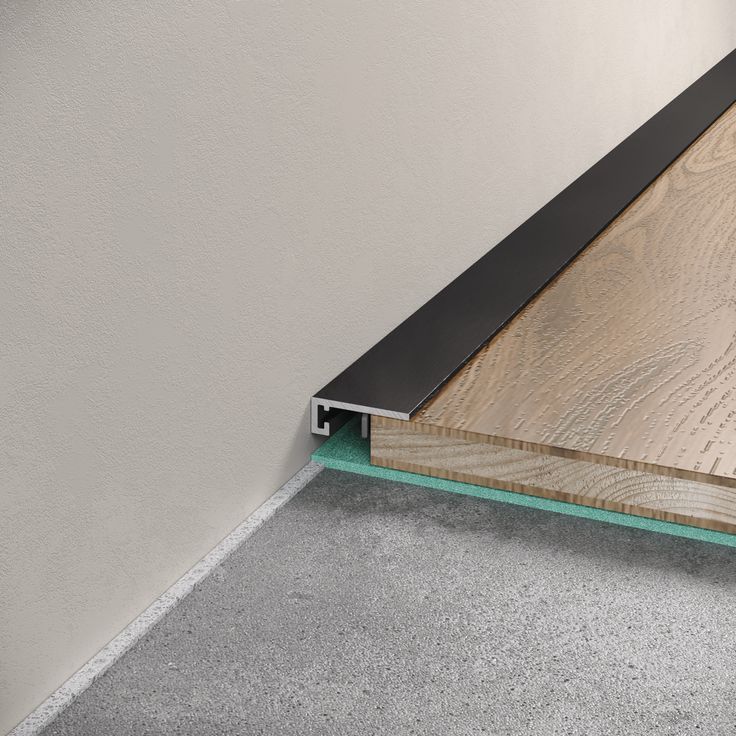
An aluminum skirting board, also called an aluminum baseboard or aluminum skirting profile, is an extruded aluminum profile installed along the bottom of an interior wall where the wall meets the floor. Its basic purpose is similar to a traditional skirting board: it covers the joint between the wall and floor while protecting the lower part of the wall from everyday impacts, dirt, cleaning equipment, and furniture movement.
However, aluminum profiles offer considerably more design flexibility than a simple flat trim. Depending on the design, the profile can also include an LED channel, diffuser, cable-management space, or recessed section.
What Is an LED Aluminum Skirting Board?
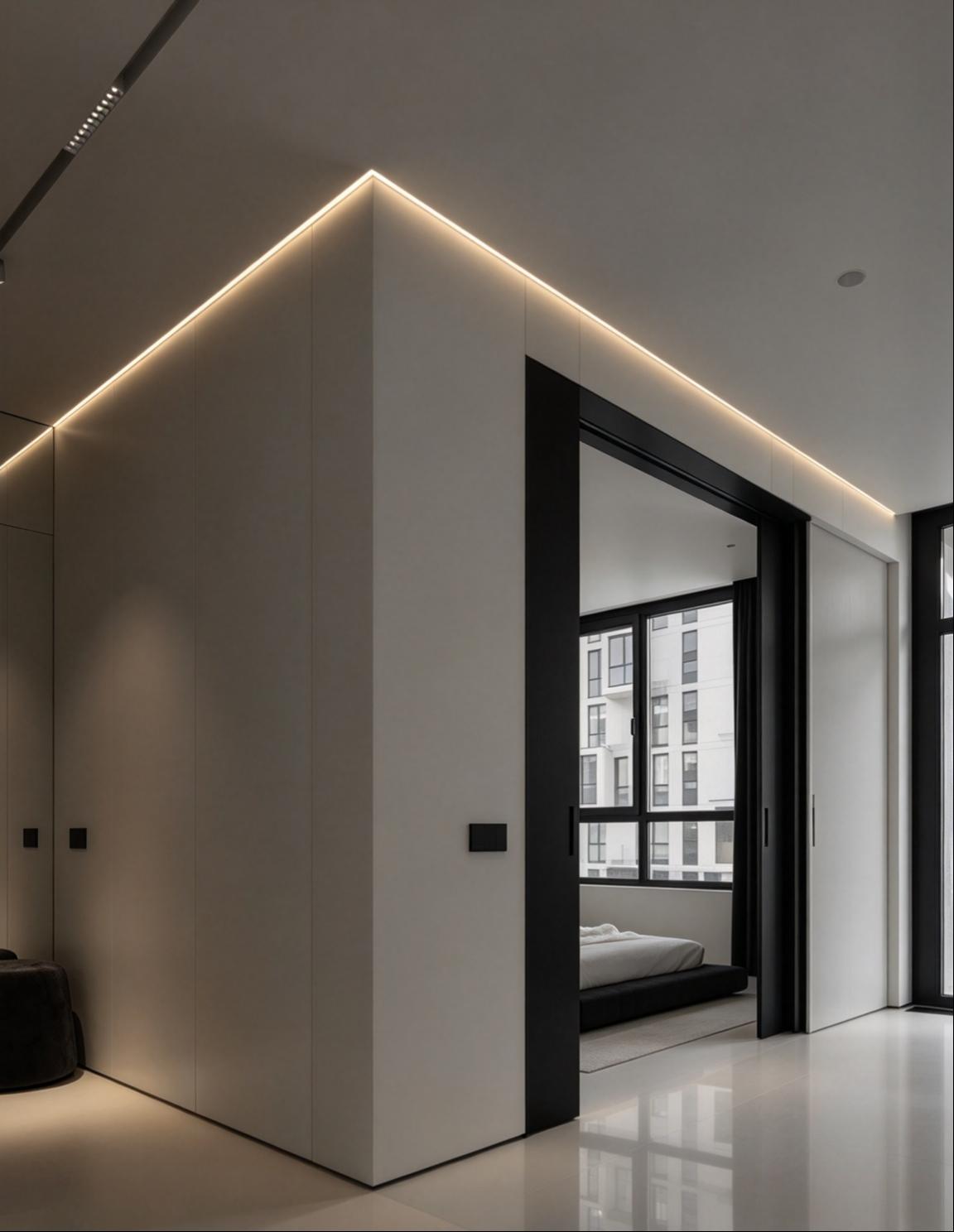
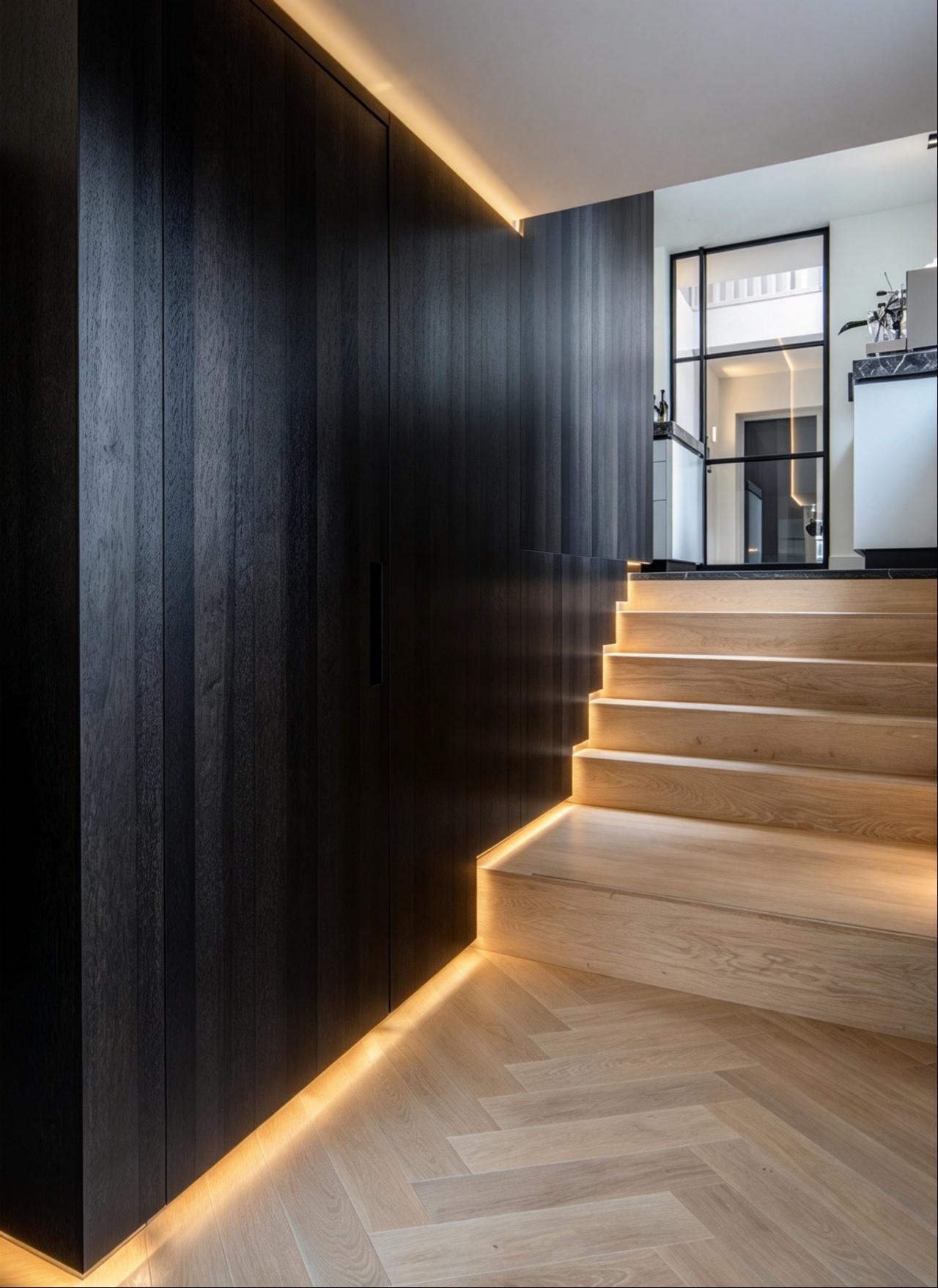
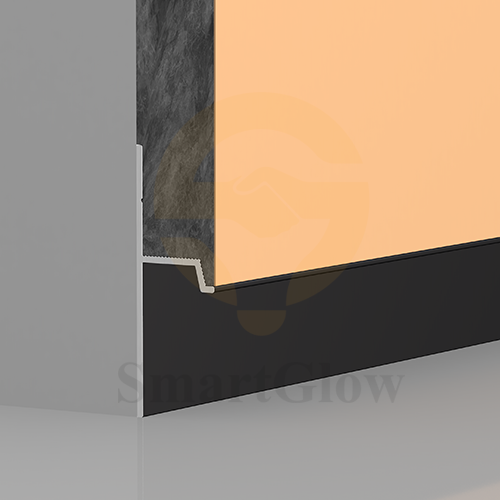
An LED aluminum skirting board integrates an LED lighting channel into the skirting profile. Instead of installing a conventional light fixture separately from the skirting, an LED strip can be hidden inside the aluminum profile and covered with a diffuser. Depending on the profile design, the light can be directed downward toward the floor, outward toward the wall, or positioned within a recessed architectural detail. This creates a continuous line of light along the bottom of the wall.
For example, in a residential hallway, an LED skirting profile can provide low-level illumination at night without requiring a conventional ceiling light. In a hotel corridor, it can combine floor guidance with architectural decoration. In a modern office or commercial space, it can create a continuous visual line that supports the overall interior design.
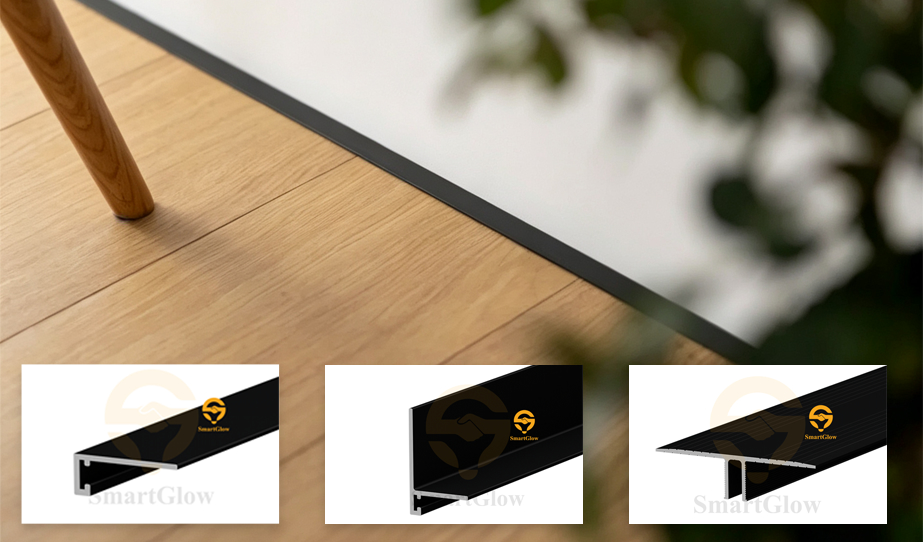
2. Why Choose Aluminum Skirting Boards?Choosing an aluminum skirting board is not simply a matter of appearance. The material affects durability, maintenance, installation, and the overall design possibilities of the project. Aluminum is widely used in building and construction because of its combination of lightweight construction, strength, corrosion resistance, durability, and design flexibility.
2.1 Durable and Sturdy
The bottom section of a wall is one of the areas most exposed to everyday contact. Vacuum cleaners, cleaning machines, shoes, furniture, carts, and other objects can easily hit or scratch conventional skirting. Wood and MDF products may also be affected by moisture or repeated impact depending on their construction and surface treatment.Aluminum provides a rigid profile that can be used as a protective finishing element around the lower part of the wall. This is particularly useful in areas where the skirting is exposed to frequent cleaning or physical contact.
Of course, aluminum is not completely immune to damage. Thin profiles or exposed finishes can still be dented or scratched. Therefore, profile thickness, alloy selection, surface treatment, and installation quality all matter when durability is important.
2.2 Moisture Resistance
Moisture is another important consideration when selecting skirting materials.
Traditional wood-based skirting can absorb moisture, which may lead to swelling, deformation, or deterioration if the material is repeatedly exposed to water. Aluminum skirting boards naturally form a protective oxide layer, which helps with their corrosion resistance. Surface treatments can further improve the performance and appearance of aluminum products.
2.3 Easy to Clean and Maintain
Because skirting is positioned close to the floor, it collects dust and can come into contact with dirt, water, cleaning chemicals, and other contaminants. A smooth aluminum surface is relatively easy to wipe and maintain. This can be particularly valuable in commercial projects where cleaning is performed frequently. For example, a hotel, office, shopping center, or restaurant may have a much higher cleaning frequency than a residential bedroom.
2.4 Modern and Minimalist Appearance
One of the biggest reasons designers choose aluminum skirting board is visual simplicity. Traditional skirting often creates a clearly visible raised border around the room. Aluminum profiles can instead be designed as slim, recessed, flush, or shadow-gap details.
This is particularly suitable for:
- Modern interiors
- Minimalist homes
- Luxury apartments
- Hotels
- Offices
- Retail stores
- Architectural projects
A black aluminum skirting board, for example, can create a strong visual boundary between a light wall and floor. A champagne, bronze, or custom-color finish can instead make the skirting part of the overall interior palette. For minimalist interiors, a shadow gap aluminum skirting can make the wall appear visually separated from the floor, creating a cleaner architectural line.
3. Main Types of Aluminum Skirting Boards
An LED aluminum skirting board combines a conventional skirting profile with an integrated LED lighting channel. The aluminum body acts as the structural and heat-dissipating part of the system, while the LED strip provides illumination. A diffuser is normally used to soften the light and create a more continuous appearance.The position and angle of the LED channel determine the final lighting effect.
How Does LED Aluminum Skirting Look?
The visual effect is very different from installing a conventional wall lamp. Instead of seeing individual light fixtures at certain positions, the LED aluminum skirting can create a continuous horizontal line along the wall.
This can produce effects such as:
A floating wall effect
Soft floor illumination
Continuous ambient lighting
Architectural wall washing
Night guidance lighting
In a hotel corridor, for example, the light can run continuously along the wall and provide a visual guide for guests.
In a residential hallway, a low-level LED skirting light can provide enough illumination for nighttime movement without turning on the main ceiling lighting.
Why Use an Aluminum Profile for LED Skirting?
LED strips generate heat during operation. An aluminum profile can act as a heat-dissipating structure while also protecting the LED strip and creating a clean installation channel. The diffuser also helps distribute light and protect the LED strip from direct physical contact.
For this reason, an LED skirting system should not be considered simply an aluminum trim with an LED strip attached to it. The profile geometry, LED channel dimensions, diffuser, LED specification, power supply, wiring, and installation method all influence the final result.
3.2 Shadow Gap Aluminum Skirting Board
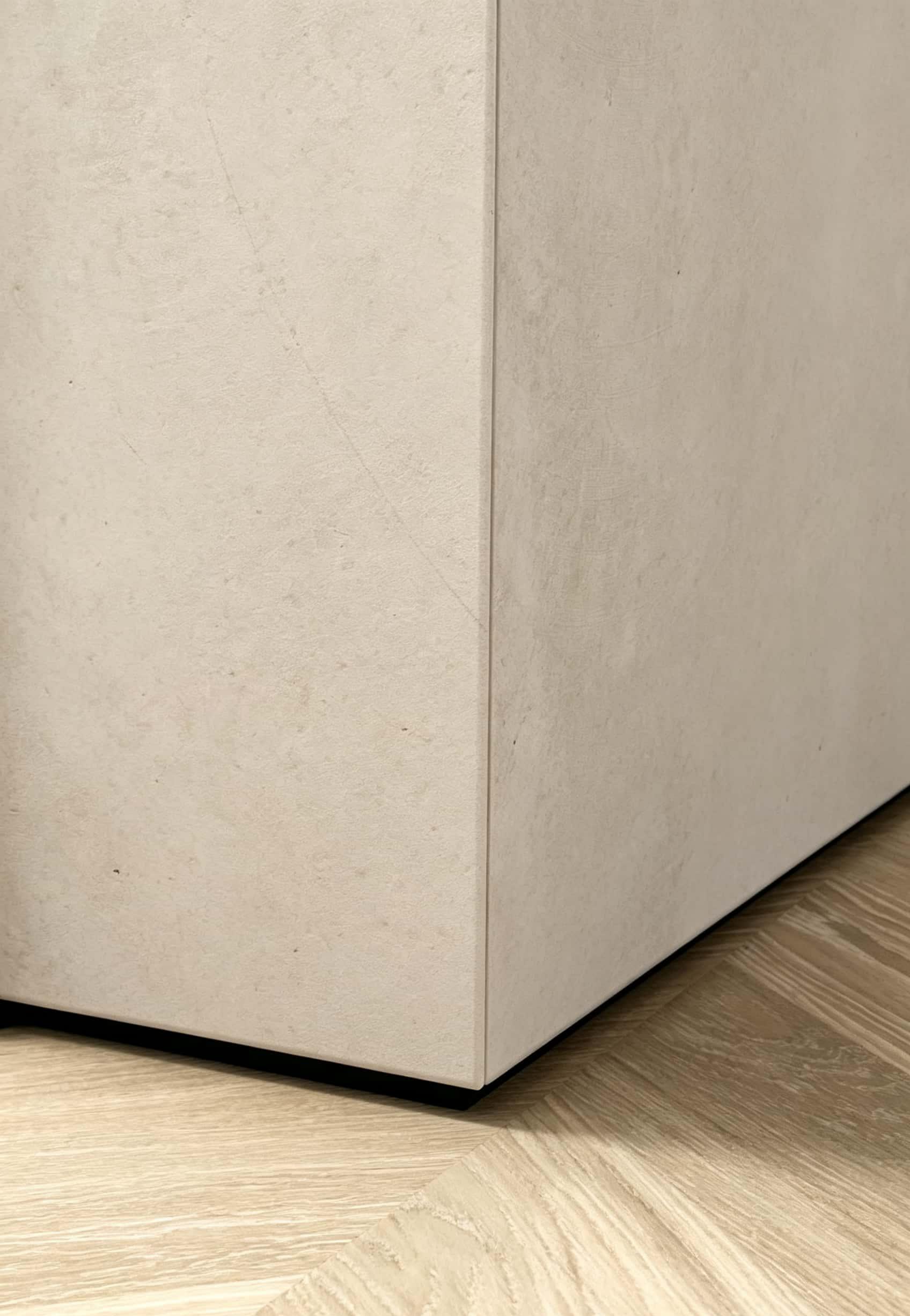
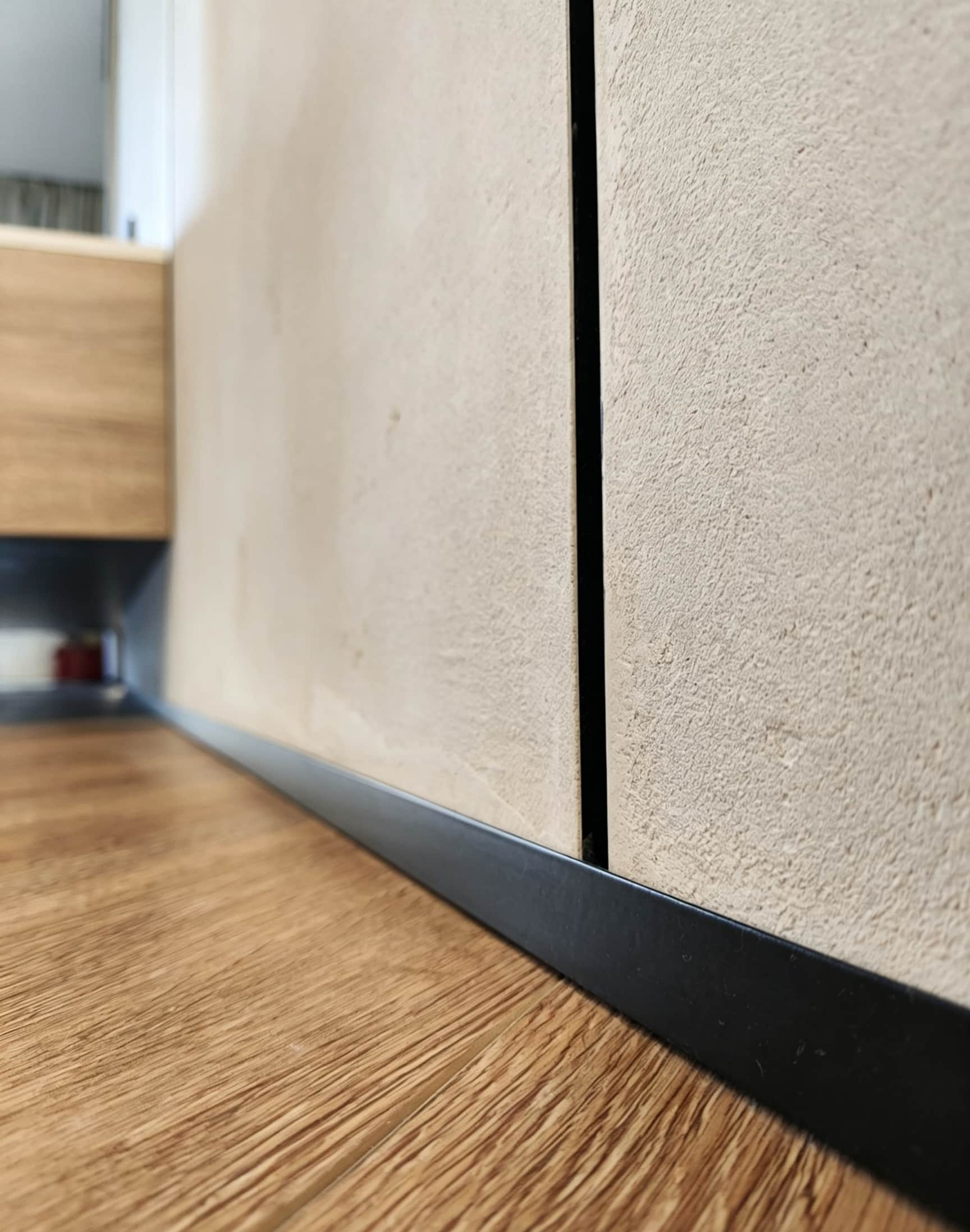
A shadow gap aluminum skirting board is designed to create a recessed visual gap between the wall and floor. Rather than creating a visible raised skirting surface, the profile forms a narrow dark line at the bottom of the wall. Instead of visually connecting the wall directly to the floor, the shadow gap creates a small separation. This can make the wall appear to float and gives the interior a cleaner architectural appearance.
What Is Shadow Gap Skirting Used For?
Shadow gap skirting is particularly suitable for interiors where designers want to minimize visible trim.
Typical applications include:
- Luxury residential interiors
- Modern apartments
- Hotels
- High-end offices
- Galleries
- Showrooms
- Minimalist architectural interior
The main advantage is visual rather than functional. The profile can still protect and finish the wall-to-floor junction, but the design deliberately reduces the visual prominence of the skirting. Compared with traditional raised skirting, a recessed aluminum skirting or shadow gap profile can provide a much cleaner transition between wall and floor.
3.3 Basic Aluminum Skirting Board
The basic aluminum skirting board is the simplest of the three styles. Its primary functions are to protect the lower wall, cover the wall-to-floor joint, and provide a clean finishing edge. Unlike LED or shadow gap designs, it does not require an integrated lighting system or a special recessed architectural effect.
This makes it suitable for projects where functionality and cost control are more important than additional lighting or highly customized detailing.
A basic aluminum skirting system may be used in:
- Residential projects
- Office buildings
- Commercial spaces
- Renovation projects
- Schools
- Public buildings
- Industrial or utility interiors
The simplicity of the profile can also make installation and maintenance easier.
4. Aluminum Skirting Board Cost: How Much Should You Budget?
One of the most common questions when selecting an aluminum skirting board is:
How much does aluminum skirting cost?
There is no single universal price because an aluminum skirting project is not simply priced by the length of the profile. The final budget depends on the specification of the aluminum itself, the profile design, surface treatment, order quantity, accessories, installation requirements, and whether the system includes LED components. For a project quotation, it is better to think about the cost as a combination of several components rather than looking only at the price per meter.
Basic Cost Structure
A practical project budget can be considered as:
Total Cost = Aluminum Profile + Surface Finish + Accessories + LED Components + Installation + Customization
Not every project requires all of these components. A basic aluminum skirting system may only require the first three and installation, while an LED architectural system may require almost all of them.
4.1 What Determines the Price of Basic Aluminum Skirting?
The price of a basic aluminum skirting profile is mainly influenced by the material and manufacturing specification.
The aluminum alloy affects the mechanical properties, extrusion performance, corrosion resistance, and suitability of the profile for a particular application. For architectural extrusion, alloy selection should be based on the required profile geometry, strength, finish, and environment rather than simply choosing the cheapest available alloy. Therefore, when comparing quotations from different suppliers, it is useful to ask for the aluminum alloy specification rather than comparing only the price per meter.
Profile Size
The dimensions of the profile directly affect the amount of aluminum required. For example, a 40 mm high minimalist skirting profile and an 80 mm high architectural profile will not normally have the same material consumption. A larger profile may also require more complex extrusion tooling, packaging, accessories, and installation components. Therefore, “aluminum skirting price per meter” has limited meaning unless the profile dimensions are specified.
Surface Finish
The surface finish can also have a noticeable effect on the total cost.
Common finishes include:
- Anodizing
- Powder coating
- Painted finishes
- Custom architectural finishes
A simple standard finish is generally easier to source and manufacture than a special color or decorative finish. For example, if a project requires a specific black, champagne, bronze, or RAL color, the supplier may need additional coating processes, minimum order quantities, color matching, or production adjustments.
Order Quantity
Order quantity has a major influence on the final unit price. A small sample order requires tooling, setup, packaging, and production resources to be distributed over a small number of meters. A larger project can distribute these fixed costs across a greater quantity.
This is why a supplier may offer a significantly different per-meter price for 1,000 meters compared with a small sample order. For large construction projects, it is therefore better to request a project-specific quotation based on the complete required quantity.
4.2 Example Aluminum Skirting Budget
The following example is intended to explain how a project budget can be structured. These are illustrative planning figures, not verified current market prices. Actual pricing varies significantly by country, supplier, material specification, quantity, finish, LED components, and installation conditions.
Assume a project requires 100 meters of aluminum skirting.
| Project Type |
Illustrative Material/System Cost |
Illustrative Installation Cost |
Example Total Budget |
| Basic aluminum skirting |
$8–15/m |
$5–15/m |
$1,300–3,000 |
| LED aluminum skirting |
$20–40/m |
$5–15/m |
$2,500–5,500 |
| Customized architectural system |
Project-specific |
Project-specific |
Often above $3,000 |
For example, if a basic aluminum skirting profile is estimated at $10 per meter, 100 meters would represent approximately $1,000 in profile material. If installation is estimated at another $10 per meter, installation would add approximately $1,000, before considering accessories, shipping, taxes, or other project-specific costs.
An LED system may cost considerably more because the profile is only one part of the complete system. The LED strip, diffuser, power supply, wiring, connectors, and installation all contribute to the final cost.
For large projects, transportation and packaging should also be considered because aluminum profiles are typically supplied in long lengths. Depending on the project location, shipping can become a meaningful part of the landed cost.
5. How to Choose the Right Aluminum Skirting Board?
The right aluminum skirting profile depends on the project's design goals, environment, installation method, and budget. Instead of selecting a product based only on appearance, consider the following questions.
Do You Need Integrated Lighting?
If the skirting needs to provide ambient or pathway lighting, an LED aluminum skirting board is the appropriate direction. The LED configuration should then be selected based on the required brightness, light direction, color temperature, diffuser, and control method.
If no lighting is required, a basic aluminum skirting profile can provide a simpler and more economical solution.
Do You Want the Skirting to Be Visible?
If the project intentionally uses the skirting as a decorative element, a basic aluminum skirting with a selected color or finish may be appropriate. If the design aims to minimize visible trim, a shadow gap aluminum skirting or recessed profile may be a better architectural solution.
Is the Installation Area Exposed to Moisture?
For dry interior spaces, a standard aluminum profile may be sufficient. For bathrooms, kitchens, or other moisture-prone environments, the aluminum finish, installation method, and sealing requirements should be reviewed. If LED lighting is included, the complete electrical system should be specified according to the required environmental protection level.
Is the Project Standard or Customized?
For a small renovation project, an existing standard profile can often simplify purchasing and installation. For hotels, commercial developments, large residential projects, or branded interiors, customized dimensions and colors may provide a better match with the architectural design.
6. Aluminum Skirting Board: Basic vs. LED vs. Shadow Gap
The three main styles can be summarized as follows:
| Feature |
Basic Aluminum Skirting |
LED Aluminum Skirting |
Shadow Gap Aluminum Skirting |
| Main purpose |
Wall protection and finishing |
Wall protection + lighting |
Minimalist architectural detailing |
| LED lighting |
No |
Yes |
Optional depending on design |
| Visual effect |
Clean and practical |
Continuous light effect |
Floating wall / recessed effect |
| Installation complexity |
Low to medium |
Medium |
Medium to high |
| Cost level |
Generally lower |
Generally higher |
Project dependent |
| Best suited for |
Residential, office, commercial |
Hotels, corridors, modern interiors |
Luxury and minimalist interiors |
| Customization |
Color and dimensions |
Profile + LED + diffuser + color |
Profile geometry + gap + finish |
7. What Should You Ask an Aluminum Skirting Manufacturer?Before placing an order, buyers should provide as much technical information as possible.
A useful inquiry should include:
Where will the skirting be installed? Residential, hotel, office, retail, bathroom, corridor, or another environment?
What height, width, and wall thickness are required?
Do you need basic finishing, LED lighting, or shadow gap design?
If LED lighting is required, specify LED strip type, voltage, color temperature, CRI, brightness, dimming, and desired light direction when known.
Specify anodized, powder-coated, painted, or another finish, together with the required color.
Provide the total number of linear meters and, if possible, the expected order schedule.
Clarify whether the quotation should include connectors, end caps, corners, mounting clips, diffusers, LED strips, power supplies, and other components.
If the project requires a new profile, provide drawings or reference samples where possible.
Conclusion
An aluminum skirting board has evolved from a simple wall-to-floor finishing product into a multifunctional architectural profile. Its combination of durability, corrosion resistance, lightweight construction, design flexibility, and compatibility with different surface finishes makes aluminum suitable for a wide range of modern interior applications. If your project is looking for a reliable aluminum kickboard manufacturer, please feel free to contact us at any time. We provide accurate product recommendations and quotes for your project!
FAQ: Aluminum Skirting Boards
1. Is aluminum skirting better than MDF or wood skirting?
Aluminum and wood-based skirting serve similar basic functions, but they have different material characteristics. Aluminum offers corrosion resistance, durability, lightweight construction, and extensive extrusion and finishing possibilities, while wood and MDF may be preferred when a traditional wood appearance is required. The best choice depends on the installation environment, design requirements, maintenance expectations, and budget.
2. Can aluminum skirting be waterproof?
The aluminum profile itself has good resistance to moisture and corrosion, but a truly waterproof LED skirting system requires the entire system—including the LED strip, diffuser, connections, end caps, and installation—to be designed appropriately for the environment.
3. Can I customize the color of aluminum skirting?
Yes. Depending on the manufacturing process and order quantity, aluminum skirting can be supplied in standard finishes or customized colors. Black, white, champagne, bronze, gold, and other architectural finishes are commonly considered, while custom RAL colors may also be possible.
4. Can aluminum skirting be customized in size?
Yes. Aluminum extrusion profiles can be customized in dimensions and geometry. Possible modifications include profile height, width, wall thickness, mounting structure, LED channel size, recessed depth, and shadow gap dimensions.
5. Can manufacturers provide OEM and ODM aluminum skirting?
Yes. OEM projects can be manufactured according to customer drawings and specifications, while ODM projects can use an existing manufacturer design as the starting point for further customization. This can include profile geometry, dimensions, surface finish, LED configuration, packaging, and branding.
6. Is LED aluminum skirting suitable for hotels and commercial projects?
Yes. LED aluminum skirting can be used in corridors, hotel rooms, reception areas, retail spaces, offices, and other commercial interiors where low-level lighting or continuous architectural lighting is required. The final LED specification should be selected according to the lighting effect and installation environment.


